Hydro-demolition vs. Traditional Demolition
Feb 25 2026When concrete needs to be removed from a structure, safety, structural integrity, and repair longevity must all be considered. While mechanical demolition may be the traditional approach, hydro-demolition is an increasingly popular option for modern day demolition projects. Both remove concrete, but they do so in very different ways.
Understanding how each method behaves on site can help project managers and engineers alike to choose the right approach for their upcoming demolition projects, including bridges, car parks, marine structures, and industrial facilities.
How does traditional demolition work?
Traditional demolition usually involves mechanical tools such as breakers, jackhammers, or heavy plant. These tools physically strike the concrete to break it apart. This method is familiar and widely available, and it can remove large volumes of material quickly.
However, the impact force travels beyond the area being removed. In reinforced concrete structures, this vibration can create small cracks in the remaining concrete. These cracks are not always visible immediately but can affect long term durability.
Mechanical demolition can also damage embedded reinforcement bars. If the steel is bent or damaged during removal, it may require repair or replacement before new concrete can be installed.
How does hydro-demolition work?
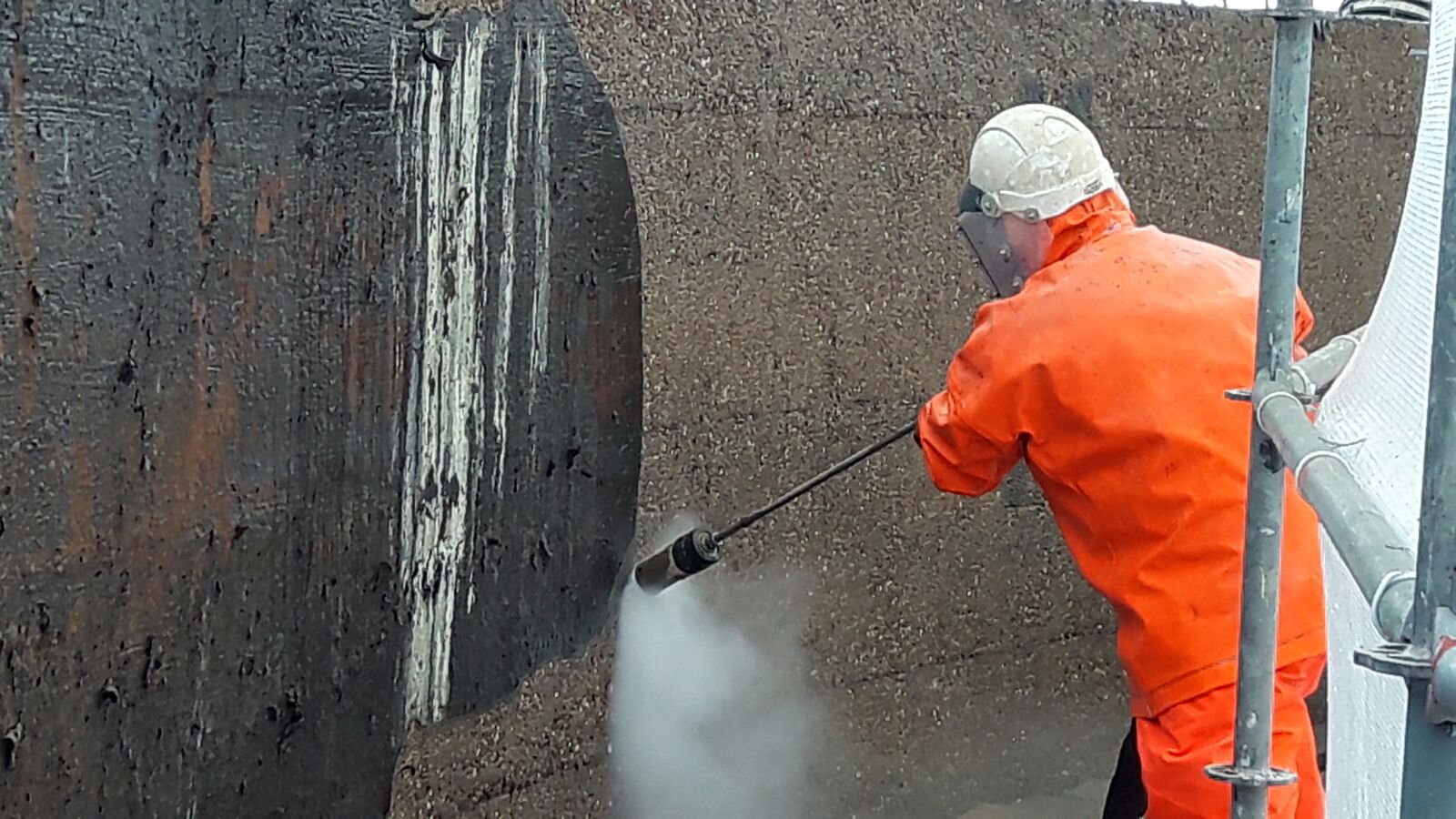
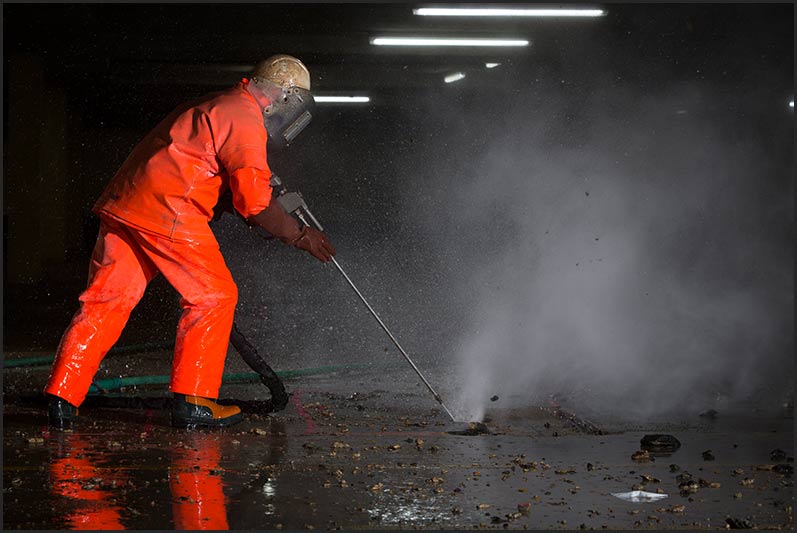
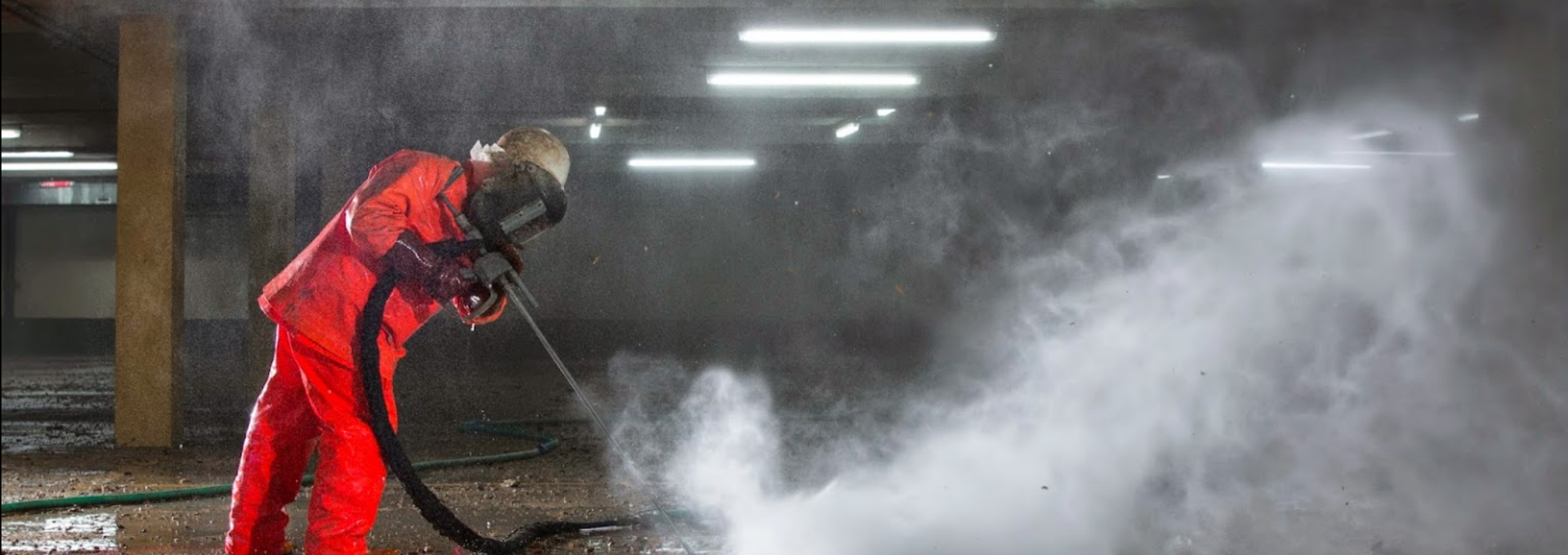
Hydro-demolition uses high pressure water jetting to remove damaged or deteriorated concrete. Instead of striking the surface with force, water jets work to penetrate any weak areas in the concrete structure and break them apart, leaving any sound concrete in place.
Because there is no impact force, vibration is minimal. This reduces the risk of micro cracking in the surrounding structure. In bridge repair, this is particularly important, as maintaining the integrity of the remaining concrete supports better long-term performance.
Ultra-high-pressure water getting is also often used for surface preparation, as it works to remove laitance, coatings, and contaminants without damaging sound material. Together, hydro-demolition and surface preparation provide a controlled removal and preparation for concrete structures.
Which option is most precise?
One of the main practical differences between hydro-demolition and mechanical demolition is selectivity. Water jetting follows the path of least resistance. Weakened or carbonated concrete is removed, while dense and healthy material tends to remain.
With traditional methods, the operator must manually judge how much to remove. This can lead to over breaking, where more concrete is taken out than necessary. Extra removal increases repair scope and material costs.
Hydro-demolition allows for more controlled removal depth, which can help to maintain design tolerances in structural repairs.
How are steel reinforcements impacted?
Reinforcement is critical in concrete structures. Mechanical demolition often requires additional cleaning of exposed steel, as tools can leave debris or damage behind.
Hydro-demolition naturally cleans reinforcement during the removal process. The water pressure removes rust and old concrete without cutting into the steel. This leaves a cleaner surface ready for bonding with repair material.
In many cases, this reduces the need for separate cleaning stages before reinstatement.
Which method provides proper surface preparation?
The condition of the prepared surface influences how well new concrete bonds. Mechanical demolition can leave a rough but fractured surface. Hydro-demolition leaves a textured profile that is free from dust and micro cracks.
A clean, well-prepared surface improves the bond between old and new material. This can support longer lasting repairs, particularly in high load environments such as highways and industrial plants.
Which option is the most practical?
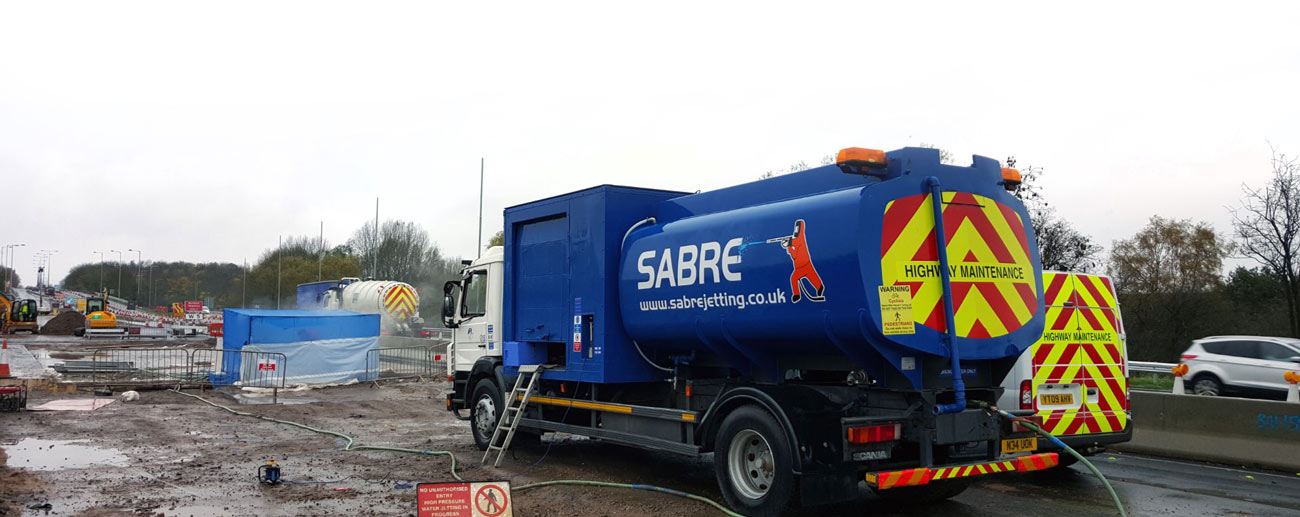
Hydro-demolition requires specialist equipment and water management. Run-off water must be controlled and treated, but this is typically handled by the hydro-dem team. Mechanical demolition may appear simpler at first glance but can generate significant dust and vibration.
Project constraints such as access, environmental controls, and surrounding structures often influence the final decision.
In many repair projects, hydro-demolition is chosen where structural preservation and precision are priorities. Mechanical demolition may still be appropriate for non-structural removal or full-scale demolition.
Understanding the strengths and limitations of each method allows teams to plan work more effectively and reduce unexpected complications during repair.
FAQs
What is hydro-demolition used for?
It is used to remove damaged concrete in a controlled way, particularly in structural repair projects.
Does hydro-demolition damage reinforcement?
No. Hydro-demolition generally cleans reinforcement without mechanical impact, helping preserve the steel.
Is traditional demolition always quicker?
It can remove large volumes quickly, but may require additional repair work if surrounding concrete is damaged.
Is hydro-demolition or mechanical demolition better for bridge repairs?
Hydro-demolition is often preferred where preserving structural integrity and achieving precise removal are important.