How Surface Preparation Ensures Safety & Longevity for Bridges
Jun 12 2026Bridges are exposed to constant stress. Traffic loads, vibration, changing temperatures, moisture, and road salts all affect the condition of concrete and steel over time. While large scale repairs are often the primary focus, the long-term performance of a bridge frequently depends on the quality of the surface preparation carried out before repairs or coatings are applied.
In practice, even high-quality repair materials can struggle if the underlying surface has not been prepared correctly.
Why is surface preparation so important for bridge maintenance?
Bridge repairs are rarely just about replacing damaged material. The surface underneath also needs to be stable, clean, and capable of bonding properly with repair systems.
If loose concrete, corrosion, dirt, or failed coatings remain in place, new repair materials may not adhere effectively. Over time, this can allow moisture and contaminants to work their way back into the structure.
Surface preparation helps to remove these weak or contaminated layers so that repairs are applied to sound material. In bridge maintenance, this step often determines how durable the repair will be years later.
How does poor surface prep affect bridge safety?
Weak bonding between repair materials and the existing structure can create long term problems. Cracking, delamination, and water ingress may develop if repairs separate from the original surface.
For bridges, this matters because deterioration often accelerates once moisture reaches reinforcement steel within the concrete. Corrosion can expand beneath the surface, placing additional pressure on surrounding concrete.
Good surface prep helps reduce this risk by creating a cleaner and more stable base before repairs begin. In practical terms, it supports repairs that are more likely to remain secure under daily traffic loads and changing weather conditions.
What methods are commonly used during surface preparation?
Different bridges require different approaches depending on the material condition and the type of repair being carried out.
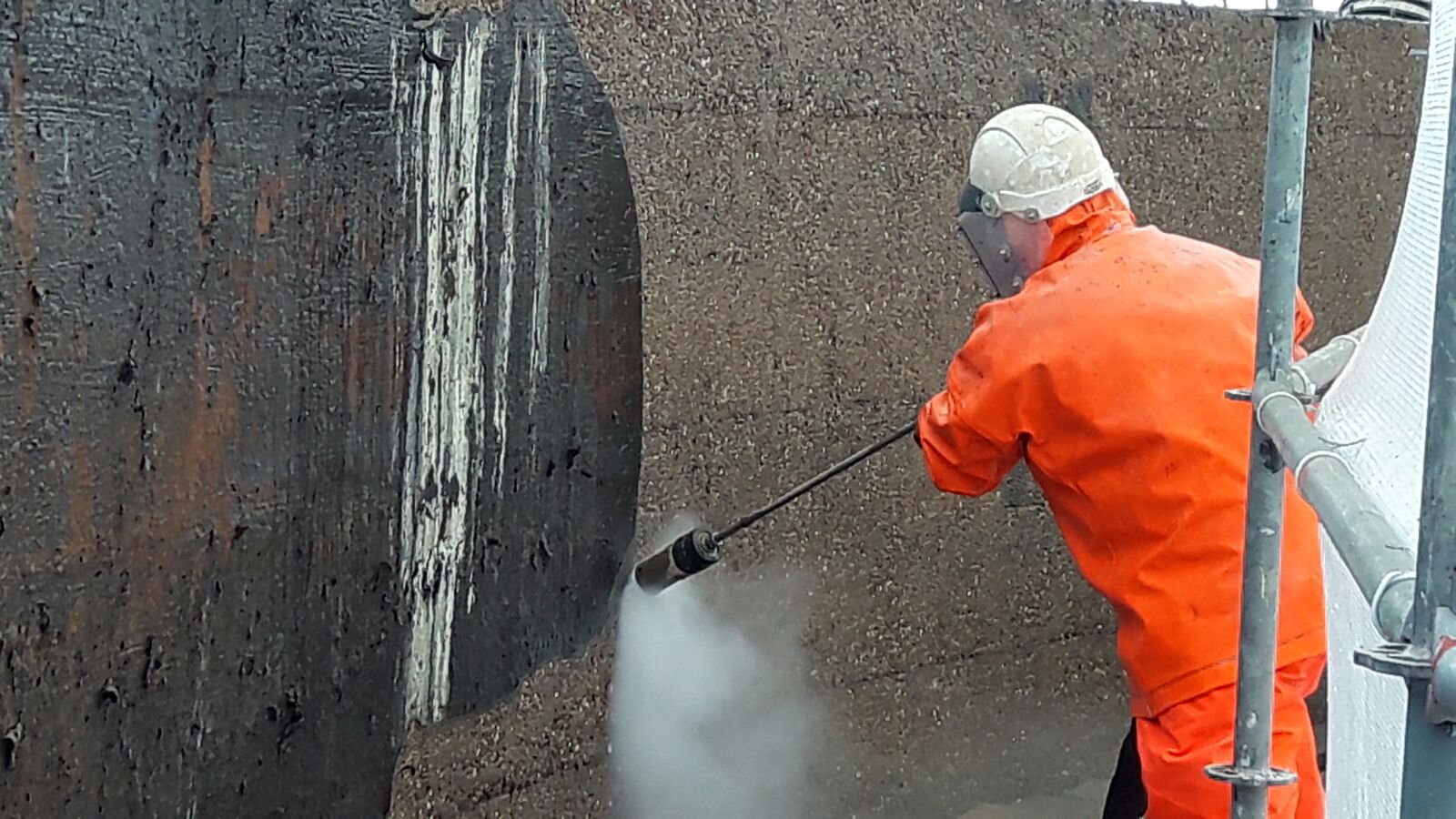
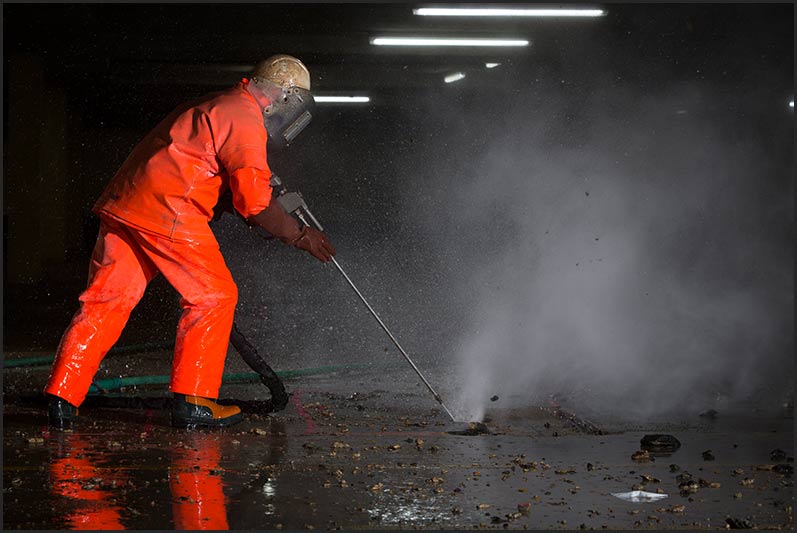
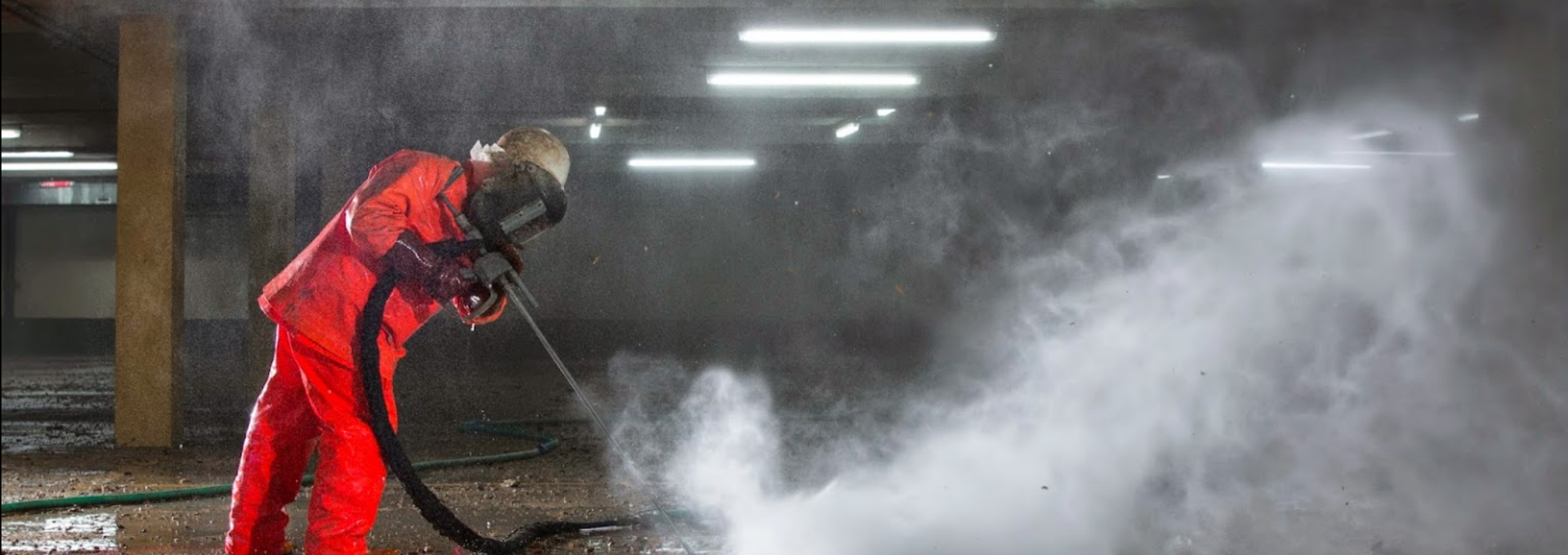
Ultra-high pressure water jetting is commonly used for surface preparation because it removes damaged concrete, corrosion, and coatings without creating excessive vibration. This can be particularly useful on ageing structures where preserving sound material is important.
Mechanical methods may also be used in some situations, although these can create additional stress within the structure if not carefully controlled.
The aim of surface preparation is not simply to clean the bridge visually. It is to create a surface profile that allows repair materials or protective coatings to bond properly.
How does surface preparation help protective coatings last longer?
Many bridges rely on coatings to protect steel and concrete from moisture, salt, and environmental exposure.
Before these coatings are applied, the underlying surface must be properly prepared. Any remaining contaminants or unstable material can reduce adhesion and shorten the lifespan of the coating system.
In practice, a coating is only as reliable as the surface beneath it. Surface prep helps ensure that protective systems remain attached and effective for longer periods, reducing the frequency of repeat maintenance.
Why does water jetting work well for bridge repairs?
Ultra-high pressure water jetting is often used during bridge maintenance because it can remove deteriorated material selectively.
Rather than damaging surrounding sound concrete, the water tends to follow weaker areas already affected by deterioration. This allows repairs to remain more targeted.
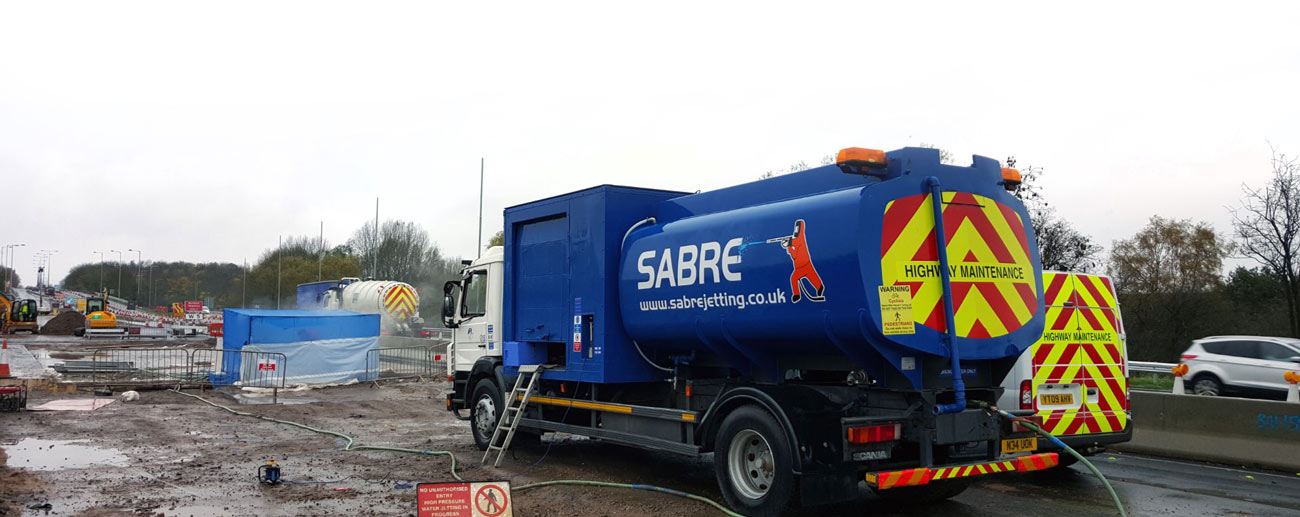
Water jetting also reduces airborne dust compared with some traditional removal methods, which can be particularly important on live infrastructure projects where surrounding traffic and nearby environments need to be considered.
How does proper surface preparation reduce long term costs?
Bridge repairs are disruptive and often expensive to access, particularly on busy transport routes.
When repairs fail prematurely, the structure may require additional closures, inspections, and remedial work sooner than expected. Effective surface preparation helps reduce the likelihood of this happening by improving how well repairs and coatings perform over time.
Longer lasting repairs often lead to lower maintenance frequency and fewer operational disruptions across the lifespan of the bridge.
Surface preparation usually happens before the visible repair work begins, so it receives less attention outside the industry. Yet engineers and contractors often recognise it as one of the most important stages of the process.
For bridge infrastructure, the quality of the surface prep directly influences how safely and reliably the structure performs after repair work has been completed.
Over time, careful surface preparation helps bridges remain structurally sound, safer to use, and more resilient against ongoing environmental exposure.
FAQs
What is surface preparation in bridge repair?
Surface preparation involves removing damaged material, contamination, and unstable surfaces before repairs or coatings are applied.
Why is surface prep important for bridges?
It helps repairs bond properly and supports the long-term durability of coatings and repair systems.
How does water jetting help during surface preparation?
UHP water removes deteriorated material while helping preserve sound concrete underneath.
Can poor surface preparation affect bridge safety?
Yes, weak bonding and moisture ingress may contribute to future structural deterioration.
Does proper surface preparation reduce maintenance costs?
Well prepared surfaces often lead to longer lasting repairs, which can reduce future repair frequency and disruption.