How Can Surface Preparation Extend the Lifespan of Industrial Coatings?
Mar 27 2026Industrial coatings protect structures from corrosion, moisture, chemicals, and wear. They are widely used on concrete, steel, and pipework in environments such as manufacturing plants, bridges, and water treatment facilities. While the coating itself is important, its lifespan often depends on what happens before it is applied.
Surface preparation plays a critical role in how well coatings bond to a structure. If the surface is poorly prepared, even a high-quality coating may begin to fail earlier than expected.
Why does surface preparation matter?
When a coating is applied to concrete or steel, it needs a stable surface to adhere to. If contaminants remain on the substrate, they can create a weak layer between the coating and the material underneath.
Common contaminants include old paint, oils, rust, scale, and loose concrete. Even small amounts can affect how the coating bonds. Over time this can lead to peeling, blistering, or early deterioration.
Proper surface preparation removes these layers and exposes a clean, solid surface. This improves the mechanical bond between the coating and the structure.
How does surface preparation help?
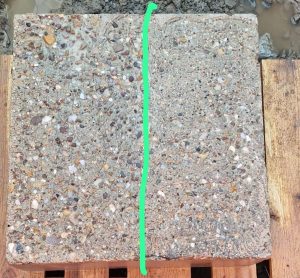
Coatings often require a slightly textured surface to adhere properly. If the substrate is too smooth, the coating may not grip effectively. Surface preparation techniques are designed to create the correct profile.
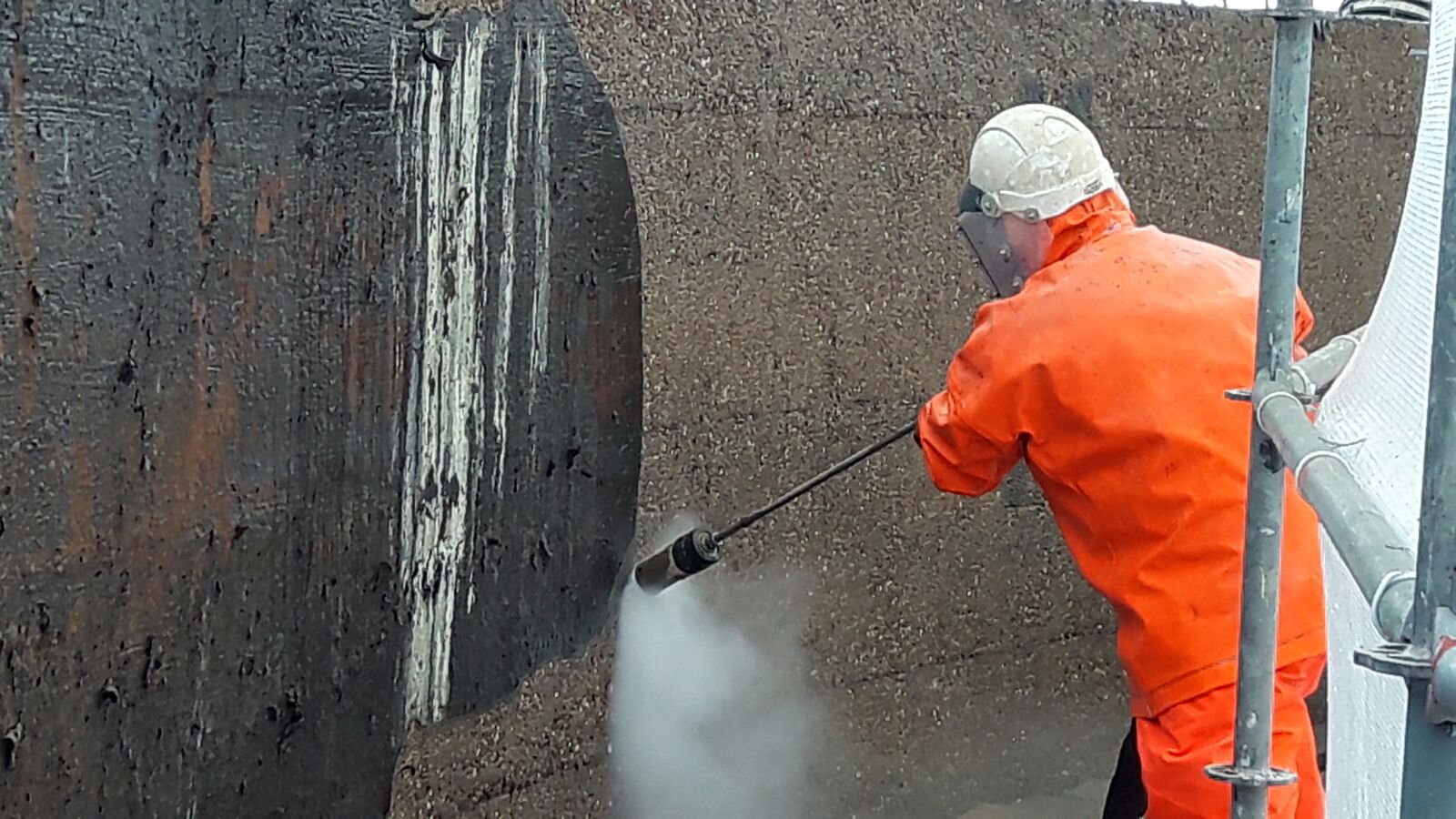
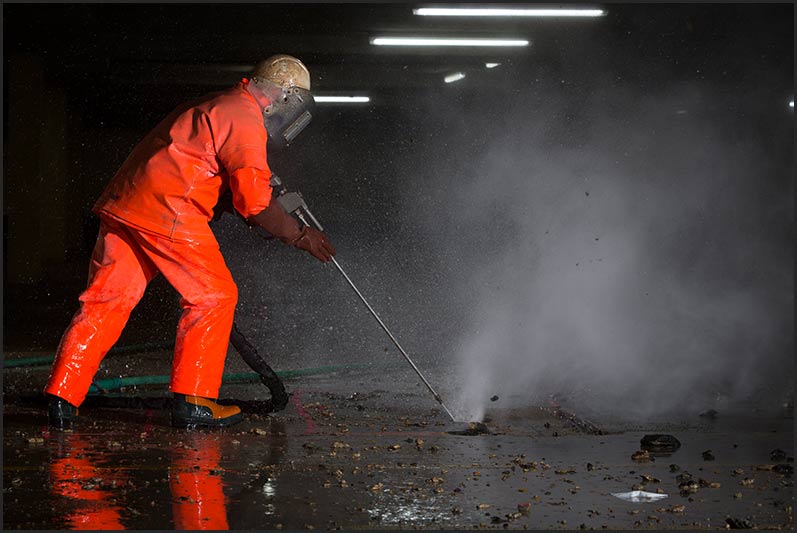
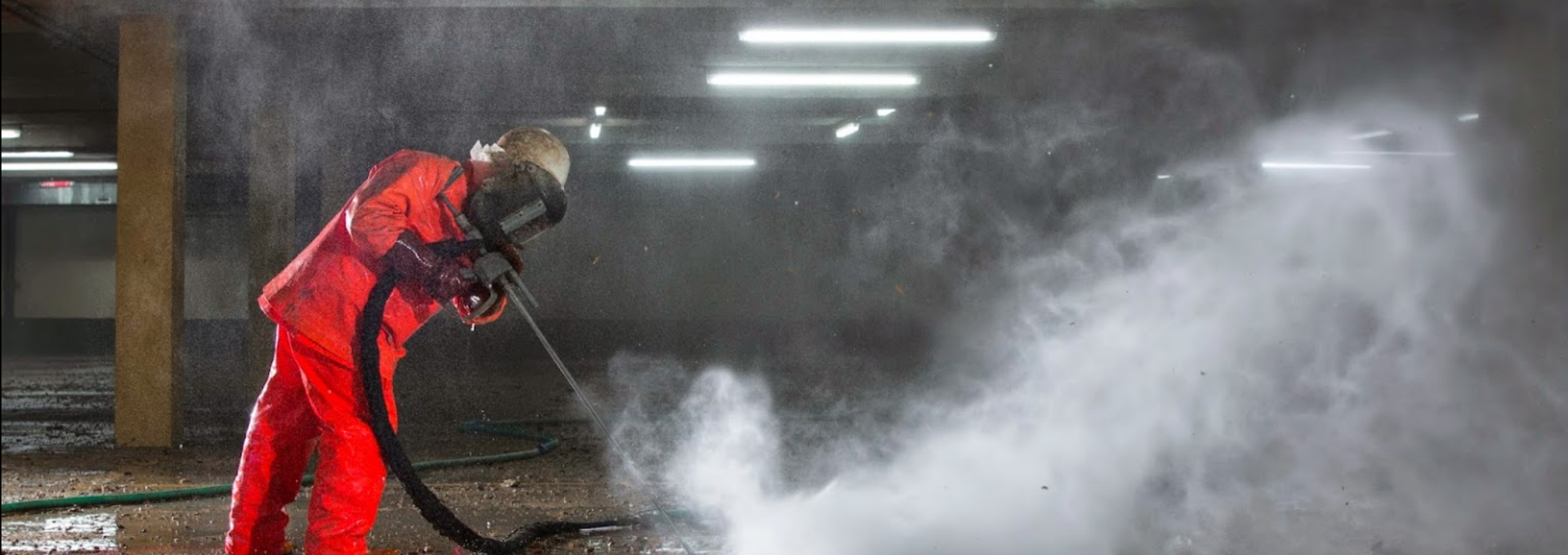
Ultra-high pressure water jetting can clean and roughen surfaces at the same time, helping coatings to bond more securely. Mechanical methods such as concrete scabbling can also create texture, although they may require additional cleaning afterwards to remove dust and debris.
The goal is to create a surface that is clean, stable, and slightly rough so that coatings can anchor effectively.
What are the long-term benefits?
Investing time in surface preparation often extends the working life of industrial coatings. When coatings bond well to a stable surface, they are less likely to peel or degrade prematurely.
This reduces the need for frequent repairs and maintenance. Over time, structures that are prepared correctly before coating often require fewer interventions.
A well-prepared surface provides the foundation for coatings that perform reliably in demanding environments.
FAQs
What is surface preparation in industrial coatings?
Surface preparation involves cleaning and preparing a material so coatings can bond properly.
Why is surface preparation important before applying coatings?
It removes contaminants and damaged material that could weaken the coating’s adhesion.
Can hydrodemolition help with surface preparation?
Yes, hydrodemolition can remove deteriorated concrete and prepare the surface for new materials or coatings.