How Does Hydrodemolition Support Sustainable Construction?
May 10 2026Sustainability in construction is often discussed in terms of materials and energy use, but the methods used during repair and refurbishment also play a part. When concrete structures begin to deteriorate, the way damaged sections are removed can influence both the lifespan of the structure and the amount of waste generated.
Hydrodemolition offers approach to concrete removal that focuses on precision rather than force. In practice, this can support more sustainable outcomes across a project.
Does hydrodemolition help to preserve existing structures?
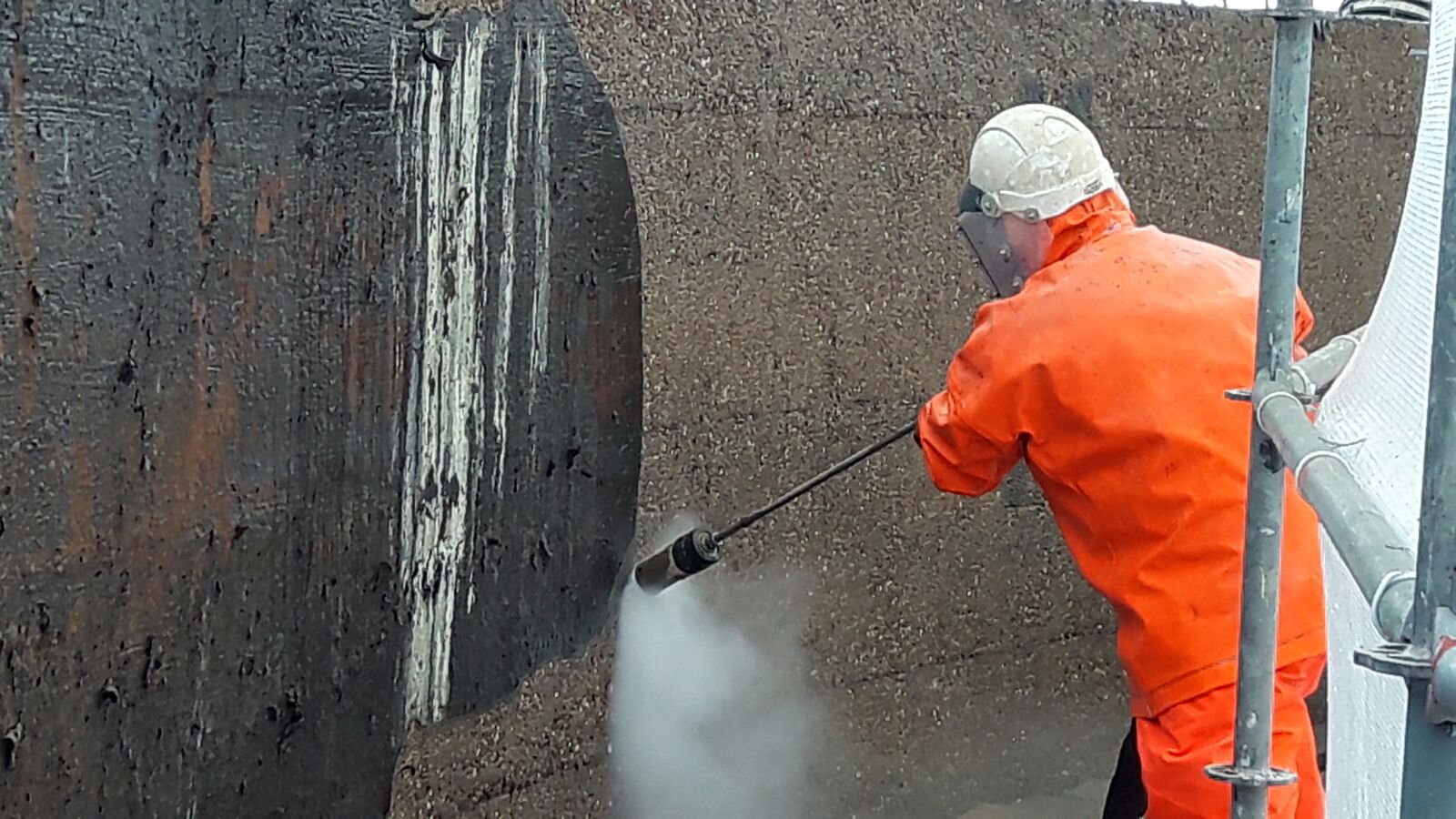
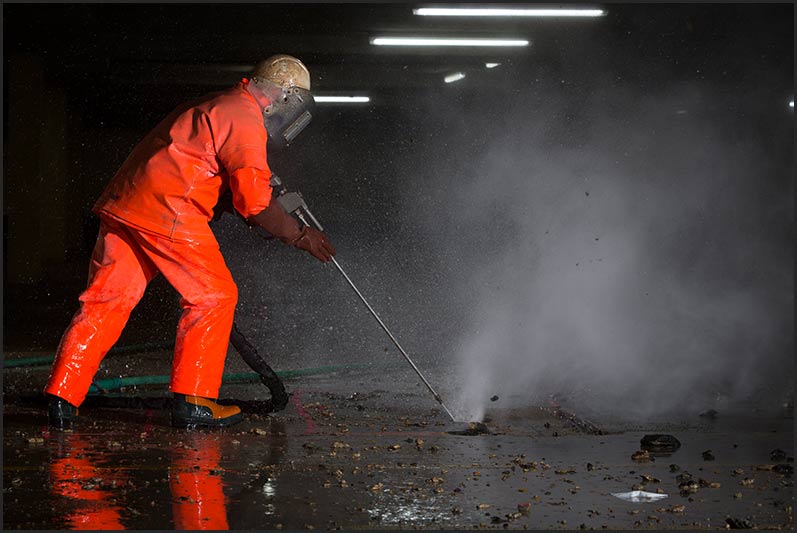
One of the key advantages of hydrodemolition is its ability to remove damaged concrete without affecting the surrounding structure. Ultra-high pressure water jets are used to target weaker areas, leaving sound concrete intact.
This selective approach to concrete removal reduces the need to take out large sections of material unnecessarily. Instead of replacing entire structural elements, repairs can be limited to the areas that genuinely need attention.
From a sustainability perspective, this helps reduce the volume of new materials required for reconstruction.
Does hydrodemolition extend the lifespan of structures?
Reinforced concrete structures rely on steel bars within the concrete to provide strength. Traditional removal methods can damage or weaken this reinforcement, which may require additional repairs or replacement.
Hydroblasting works differently. The water removes the deteriorated concrete while leaving the steel reinforcement largely undamaged and clean. This is because the process follows the natural condition of the material rather than applying blunt force.
By preserving the reinforcement, the structure can be repaired more effectively. In practical terms, this can extend the lifespan of bridges, buildings, and other infrastructure without the need for full replacement.
Does hydrodemolition reduce material waste?
Construction waste is a growing concern, particularly in projects involving demolition and refurbishment. Large scale concrete removal often results in significant amounts of waste that must be transported and processed.
Because hydrodemolition is more controlled, less material is removed overall. Only the damaged concrete is taken away, which means less waste leaves the site. This can also reduce the environmental impact associated with transporting heavy materials, particularly on projects where access is limited or distances are significant.
Does hydrodemolition support better repairs?
After damaged concrete has been removed, the surface that remains needs to be prepared for repair materials. The quality of this surface affects how well new concrete bonds to the existing structure.
Surface preparation using UHP water jetting works to leave a rough, clean surface that is well suited for bonding. This can improve the durability of repairs, as the new material adheres more effectively.
In practice, stronger bonding can reduce the likelihood of future failures, which in turn reduces the need for repeat repairs.
How are site conditions affected?
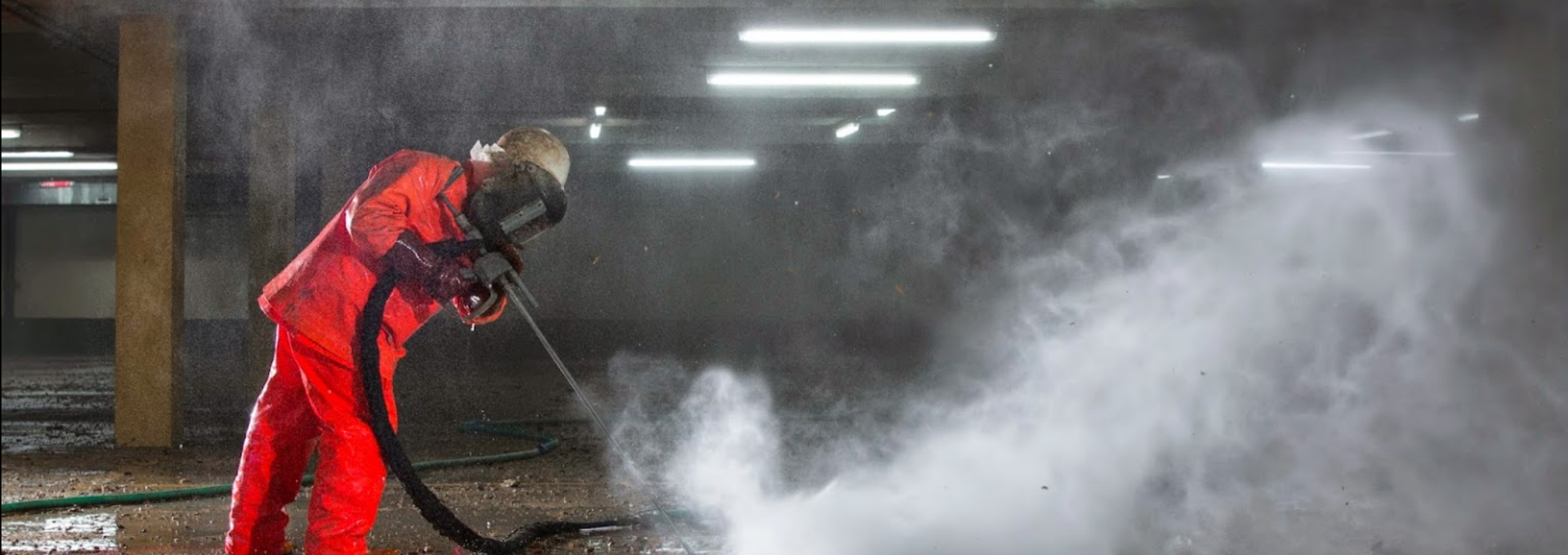
Traditional concrete removal methods often produce large amounts of dust, which can affect air quality on site and in surrounding areas. Hydrodemolition uses water rather than mechanical force, which significantly reduces airborne dust. This can create a safer and more manageable working environment, particularly in urban areas or enclosed spaces.
While water management still needs to be considered, the reduction in dust can make a noticeable difference during the project.
Sustainable construction is all about maintaining and repairing existing structures in a way that reduces waste and extends their lifespan. Hydrodemolition supports this by focusing on precision, preserving key structural elements, and improving the quality of repairs.
Through controlled hydroblasting and careful concrete removal, projects can be completed with a more considered use of resources.
FAQs
What is hydrodemolition?
It is a method of removing damaged concrete using ultra-high pressure water.
How does hydroblasting differ from traditional concrete removal?
Hydroblasting targets weakened concrete while leaving sound material and reinforcement largely intact.
Does hydrodemolition reduce waste?
Yes, because it removes only the damaged areas, resulting in less overall material being discarded.
Is hydrodemolition suitable for all structures?
It is commonly used on bridges, buildings, and infrastructure where precision is important.
Does the process create dust?
Hydrodemolition produces far less dust than traditional methods, as it relies on water rather than mechanical force.