High-Pressure Water Jetting Applications Beyond Cleaning
Jan 01 2026High-pressure water jetting is often linked with heavy-duty cleaning, but its potential goes well beyond removing dirt and residue build-up. UHP water jetting has become a versatile solution across a range of heavy industries, supporting everything from structural repair and controlled demolition to detailed surface preparation.
What sets water jetting apart from traditional mechanical techniques is its unbeatable precision, safety, and environmental advantages. Understanding its wider applications can help businesses to understand its capabilities as an essential tool beyond industrial cleaning.
Water jetting for precise material removal
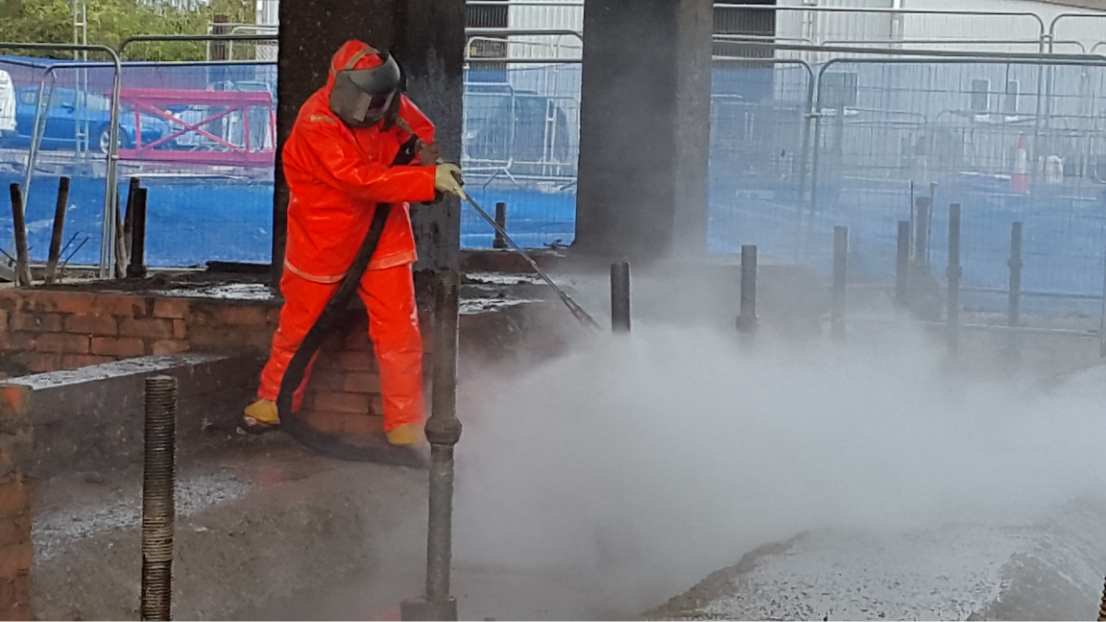
One of the most valuable uses of UHP water jetting is selective material removal. In applications such as concrete repair, water jets are able to remove damaged or weakened material while leaving sound structures intact. This is particularly important for bridge decks, car parks, and industrial flooring, where preserving the integrity of the surrounding material is critical.
Unlike mechanical breakers or cutters, water jetting does not introduce vibration. This reduces the risk of microcracking in adjacent areas and allows engineers to target only the sections that genuinely need removal. The result is a cleaner bond surface for repairs and a longer lifespan for the structure.
Hydrodemolition for structural repair
Hydrodemolition is a specialised form of water jetting that uses very high pressures to remove concrete in a controlled way, exposing reinforcement bars without damaging them. This makes it ideal for refurbishment projects where steel reinforcement must be retained and reused.
Because the process is so precise, hydrodemolition also improves safety on site. There is less dust, reduced noise compared to mechanical methods, and a lower risk of accidental damage to surrounding infrastructure. These factors make it a preferred option for complex repair work in live environments.
Water jetting surface preparation for coatings
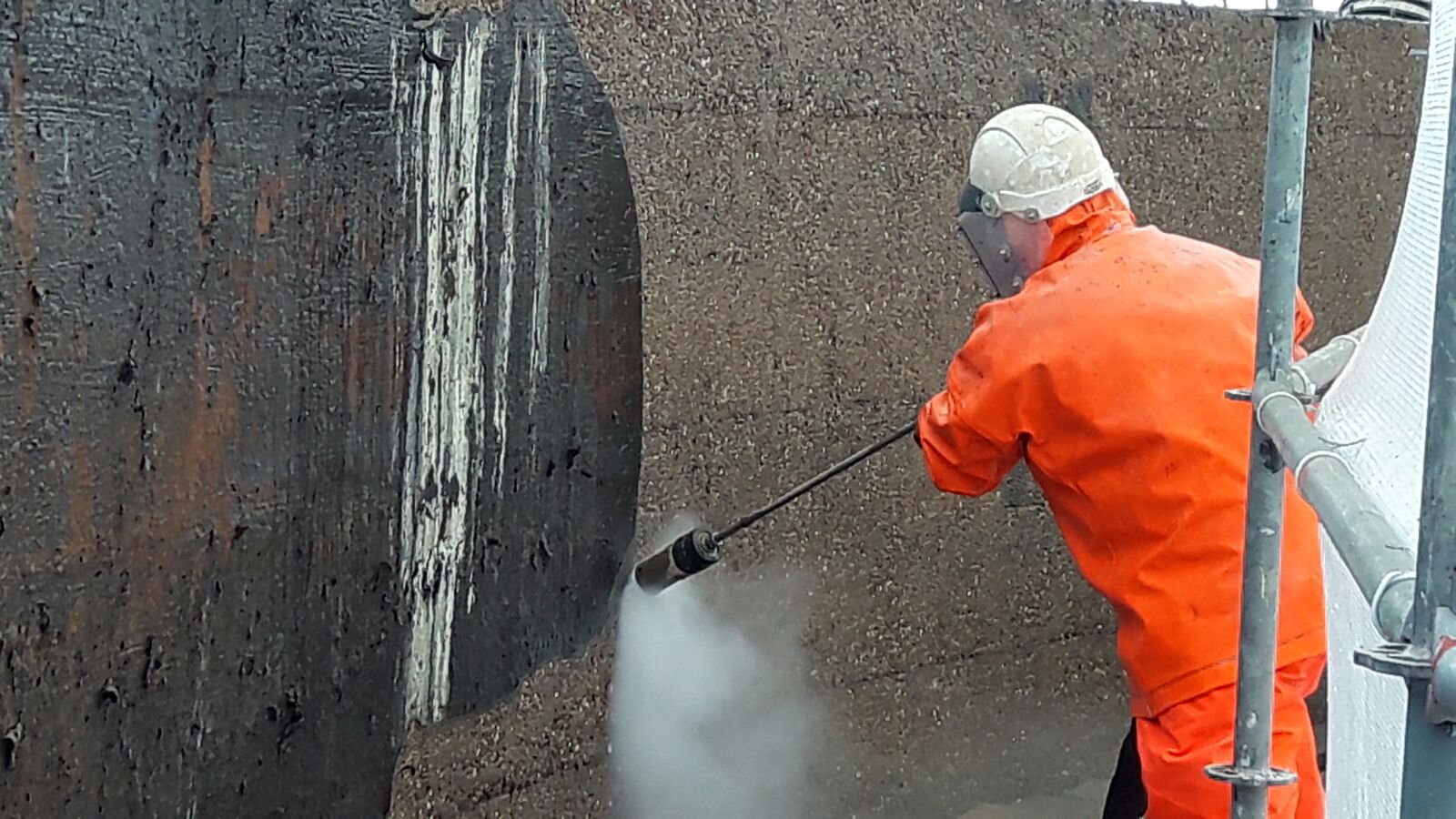
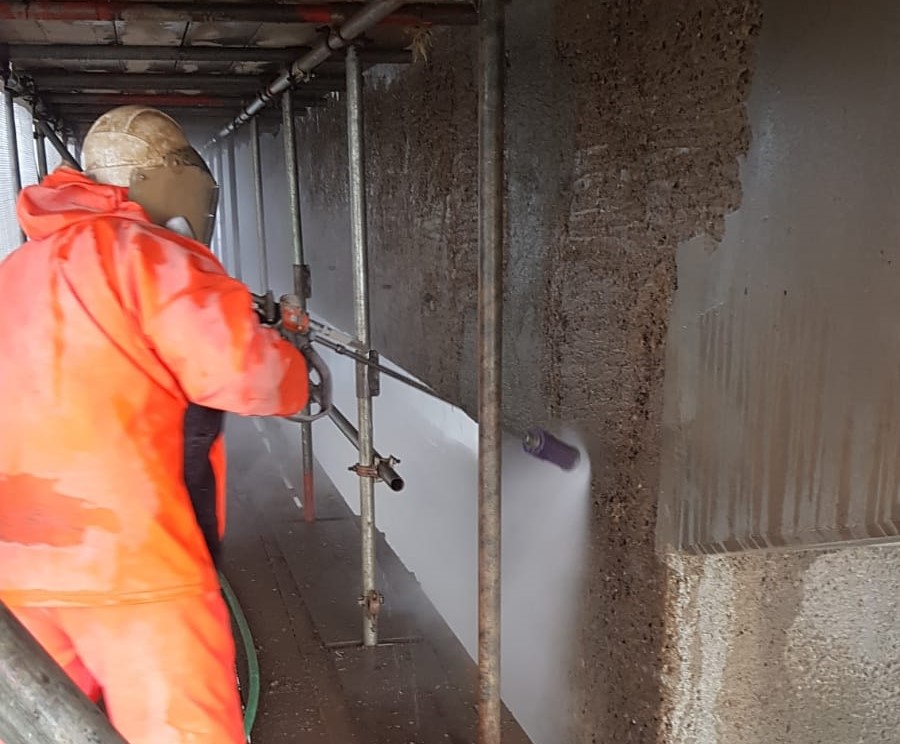
Before protective coatings or linings can be applied, surfaces need thorough preparation. Water jetting plays a major role here, particularly in industries such as oil and gas, marine, and manufacturing. It removes old coatings, corrosion, and contaminants, leaving a clean surface with the correct profile for new materials to adhere to.
While water jet cleaning is often seen as a basic preparation step, at higher pressures it becomes a highly effective method for achieving industry specified surface standards. The absence of abrasive media also means there is less secondary waste to manage after the job is complete.
Water jet cutting and removal in hazardous areas
In environments where sparks or heat present a risk, water jetting offers a safer alternative. High pressure water jetting can be used to cut through materials such as rubber, composites, and even certain metals without generating heat. This makes it suitable for use in potentially explosive atmospheres or confined industrial spaces.
The cold cutting nature of the process reduces fire risk and allows work to be carried out where traditional cutting tools would be unsuitable or prohibited.
Water jetting maintenance in industrial plants
Industrial facilities often require regular maintenance to keep equipment operating safely and efficiently. Water jetting is used to clear blockages in pipes, remove scale from heat exchangers, and strip build up from process vessels. These tasks go well beyond basic water jet cleaning and require careful control to avoid damaging sensitive components.
Because the process can be adjusted to suit different materials and conditions, it allows maintenance teams to tackle stubborn deposits without dismantling large sections of plant equipment.
Environmental and operational benefits of water jetting
One of the reasons water jetting has gained wider adoption is its environmental profile. It relies on water rather than harsh chemicals or abrasive materials. This reduces waste, limits airborne pollutants, and makes disposal simpler. In many cases, water can be filtered and reused, further improving efficiency.
From an operational perspective, the precision of high-pressure water jetting reduces downtime and limits the need for rework. Tasks are completed accurately the first time, which saves time and resources on large scale projects.
While water jet cleaning remains an important application, the broader uses of water jetting show just how adaptable the technology has become. From concrete removal and surface preparation to safe cutting and planned maintenance, water jetting provides solutions that are effective, controlled, and suited to modern industrial demands.
For businesses operating in challenging environments, understanding these wider applications can open up safer and more efficient ways to approach complex tasks.
FAQs
Is high pressure water jetting only used for cleaning?
No. It can also be used for hydrodemolition, surface preparation, cutting, and industrial maintenance tasks.
How is hydrodemolition different from standard water jet cleaning?
Hydrodemolition uses much higher pressures to remove concrete selectively without damaging reinforcement or surrounding structures.
Can water jetting be used in hazardous environments?
Yes. Because it does not generate heat or sparks, hydrodemolition is suitable for use in areas where fire or explosion risks exist.
Does water jetting damage underlying materials?
When properly controlled, hydrodemolition removes only the targeted material and leaves sound surfaces intact.
Why is water jetting considered environmentally friendly?
Hydrodemolition uses water rather than chemicals or abrasives, produces less waste, and generates minimal dust or airborne pollution.