Is Hydrodemolition the Best Choice for Concrete Removal?
Jan 30 2026Removing concrete is rarely straightforward. Whether the goal is to repair a structure, strengthen it, or prepare it for a new surface, the method used can have a lasting impact on durability and safety. In recent years, hydrodemolition has become a widely discussed alternative to traditional mechanical techniques. But is it always the best choice for concrete removal? The answer depends on the structure, the environment, and the outcome required.
How does hydrodemolition work?
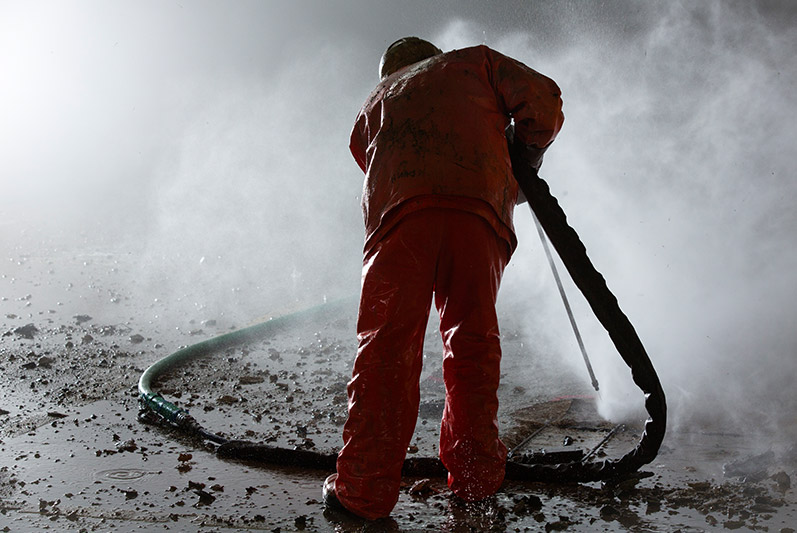
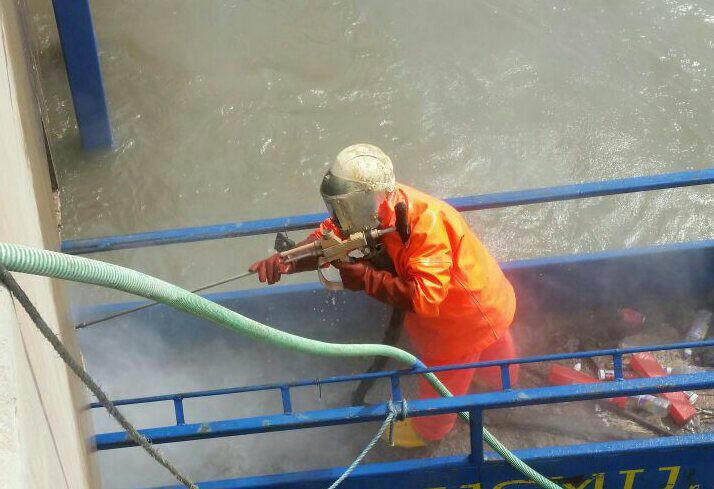
Hydrodemolition uses both high-pressure and ultra high-pressure water jets to break away concrete in a controlled manner. Rather than striking or grinding the surface, water penetrates cracks and weaker areas within the concrete, removing damaged material while leaving sound concrete intact. Reinforcement bars are typically left undamaged and clean, which is one of the method’s defining advantages.
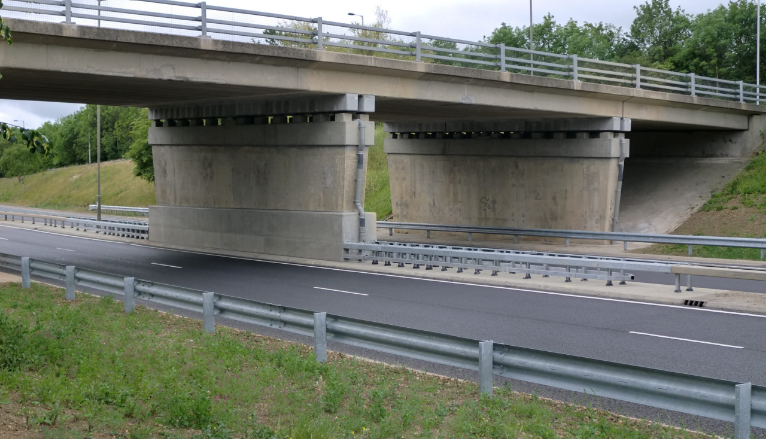
Because the process follows the natural structure of the concrete, it avoids introducing vibrations or impact stresses into the remaining structure. This makes it particularly useful for bridges, car parks, marine structures, and other reinforced concrete assets where structural integrity is critical.
How does hydrodemolition compare to traditional methods?
Mechanical concrete removal methods such as breakers, jackhammers, or milling tools rely on force. While effective in some situations, they often create micro cracking in the remaining concrete. Over time, these small fractures can lead to further deterioration, especially in load bearing or exposed structures.
Hydrodemolition offers a different approach. By using water instead of impact, it removes weakened concrete without compromising the surrounding material. This results in a rough, textured surface that provides excellent bonding conditions for repair materials. In many repair projects, this improved bond strength can significantly extend the lifespan of the repair.
While traditional methods may still be suitable for small scale or non-structural concrete removal, results may not be as precise. Choosing the right method depends on balancing speed, accuracy, and long-term performance.
What are the advantages of hydrodemolition?
One of the key benefits of hydrodemolition is selectivity. The process can be precisely controlled to remove concrete to a specific depth, making it ideal for partial depth repairs. This reduces unnecessary material removal and helps preserve the original structure.
Another advantage is safety for reinforcement. Steel bars are not damaged by the water jets, and existing corrosion products can be removed at the same time. This prepares the steel for effective re-encapsulation during repair.
From a performance perspective, hydrodemolition also produces minimal vibration and noise compared to mechanical methods. This can be important on live sites, in urban environments, or on structures that must remain partially operational during works.
Are there any limitations of hydrodemolition?
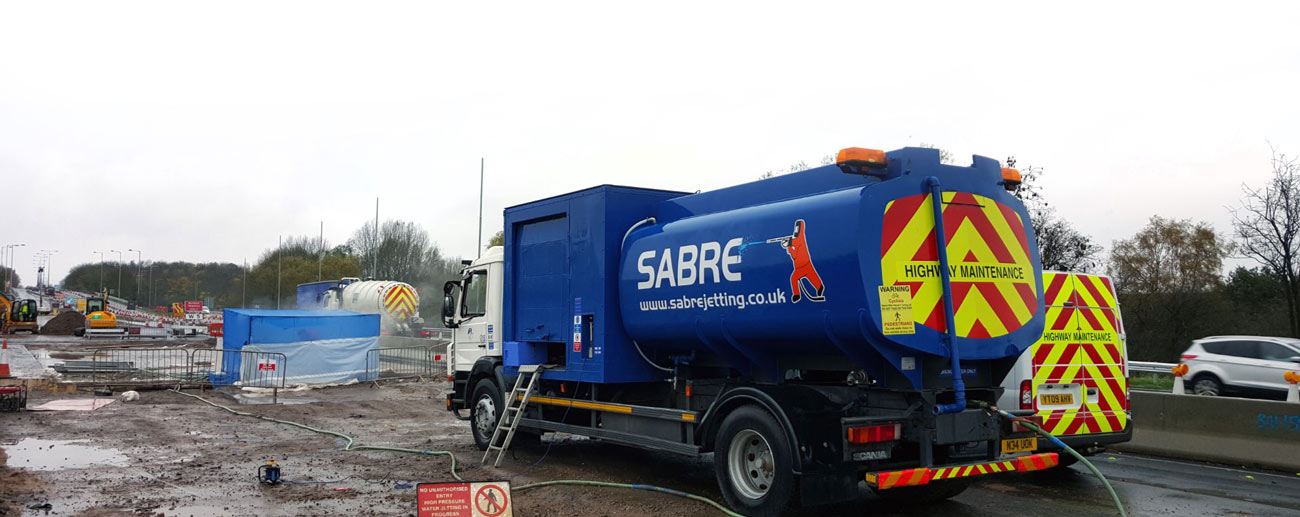
Hydrodemolition requires specialist equipment, trained operators, and careful management of water and waste materials. Runoff water must be controlled and treated appropriately, especially when working in environmentally sensitive areas.
There can also be higher initial costs compared to basic mechanical concrete removal. However, these costs are often offset by reduced repair failures, longer service life, and lower risk of future remedial works. For critical infrastructure, the long-term value often outweighs the upfront expense.
Weather conditions and site access also play a role. Hydrodemolition systems require space for equipment and water management, which may not be practical on every project.
It is vital that hydrodemolition works are always carried out by fully qualified and experienced professionals. At Sabre Jetting, we have been experts in hydrodemolition for over 30 years’, providing high quality service to industries nationwide.
Is hydrodemolition right for you?
Hydrodemolition is particularly well suited to projects where precision matters and where the remaining structure must be preserved. It is often chosen for bridge deck repairs, structural strengthening works, and areas where traditional methods could cause unwanted damage.
For projects focused on durability and performance rather than simple speed, hydrodemolition is frequently the preferred method. It supports high quality repairs and helps to ensure that new concrete bonds effectively with the existing substrate.
Choosing the best concrete removal method requires an understanding of the structure, the repair objectives, and the site conditions. Hydrodemolition is not a universal solution, but it offers clear advantages where accuracy, structural protection, and long-term performance are priorities.
When used in the right context, it can significantly improve repair quality and extend the life of concrete assets.
FAQs
What is hydrodemolition used for?
Hydrodemolition is used to remove damaged or weakened concrete while preserving sound concrete and reinforcement, often in repair and refurbishment projects.
Is hydrodemolition better than mechanical concrete removal?
It can be better for structural repairs because it avoids vibration and micro cracking, but mechanical methods may still suit smaller or non-structural jobs where precision isn’t as important.
Does hydrodemolition damage reinforcement steel?
No. One of its advantages is that it cleans reinforcement without causing damage, which supports better repair bonding.
Is hydrodemolition environmentally safe?
It can be, provided water runoff is properly controlled and treated according to environmental regulations.
Is hydrodemolition always the best choice for concrete removal?
It is best suited to projects where precision, durability, and structural integrity are more important than simple speed or low initial cost.