How Can Proper Waste Water Management Reduce Environmental Impact?
Jul 04 2026Industrial cleaning, surface preparation, and hydrodemolition projects often rely on large volumes of water to achieve safe and effective results. While much attention is given to the cleaning process itself, what happens to the resulting waste water can be just as important from an environmental perspective.
Whether undertaking hydrodemolition, surface preparation or specialist cleaning work, responsible waste water management helps protect local ecosystems, supports regulatory compliance and reduces the environmental footprint of industrial operations.
From experience across a wide range of projects, effective waste water management is rarely an afterthought. It is typically built into the planning process from the very beginning.
Why is waste water management important?
When industrial cleaning activities take place, the water used often contains contaminants collected during the process. These may include:
- Concrete particles
- Paint residues
- Oils and grease
- Sediment
- Rust and corrosion products
- Other surface contaminants
If this water is not properly contained and managed, it can potentially enter drainage systems, watercourses or surrounding land.
Proper waste water management helps prevent pollutants from reaching the environment while supporting safe site operations. It also helps businesses demonstrate responsible environmental practices, which is increasingly important on infrastructure, construction and industrial projects.
What happens to water during industrial cleaning operations?
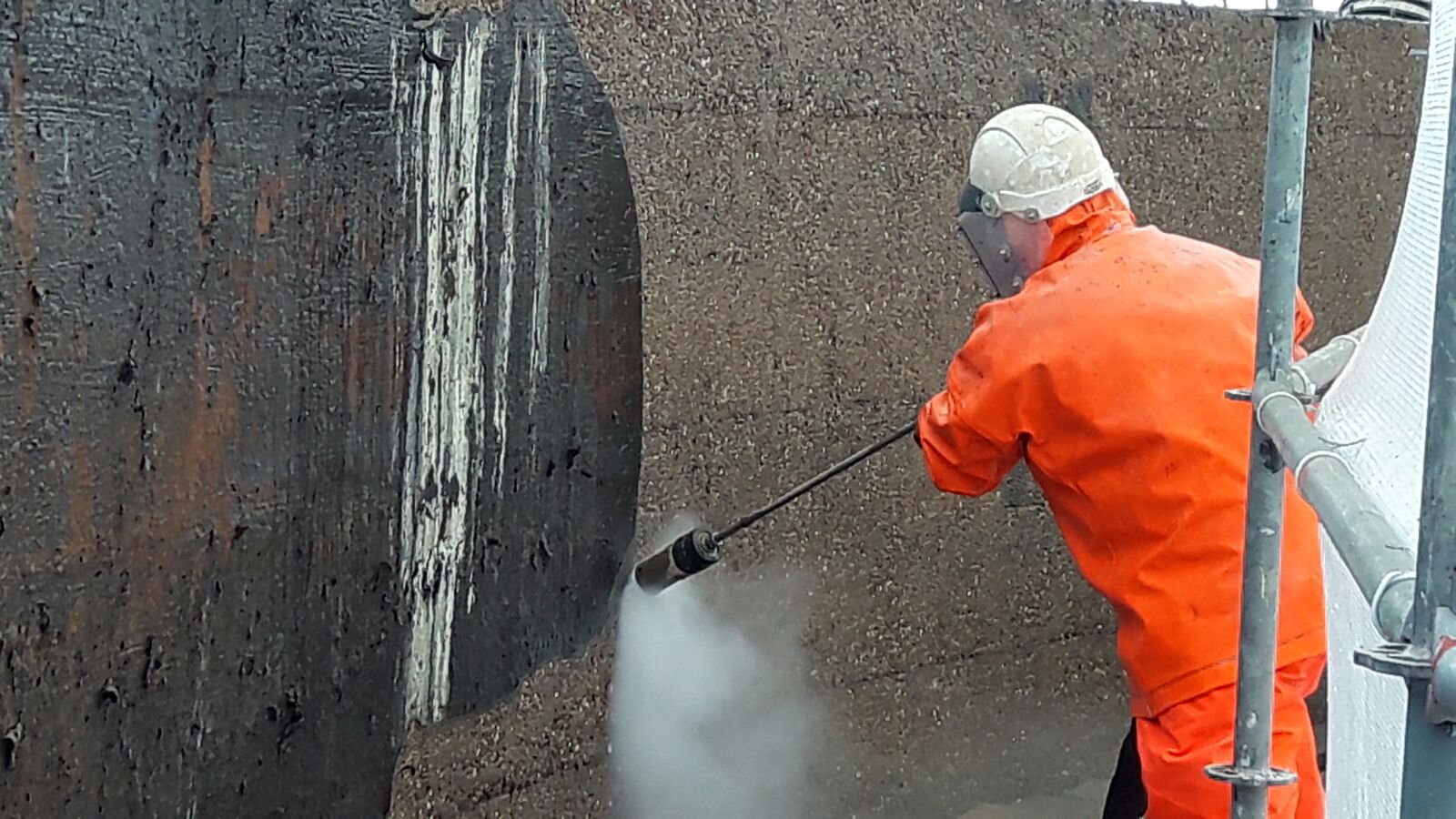
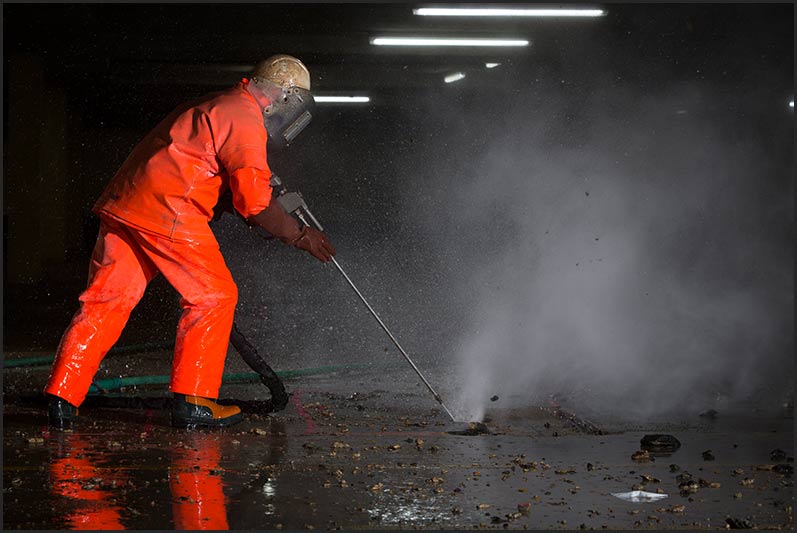
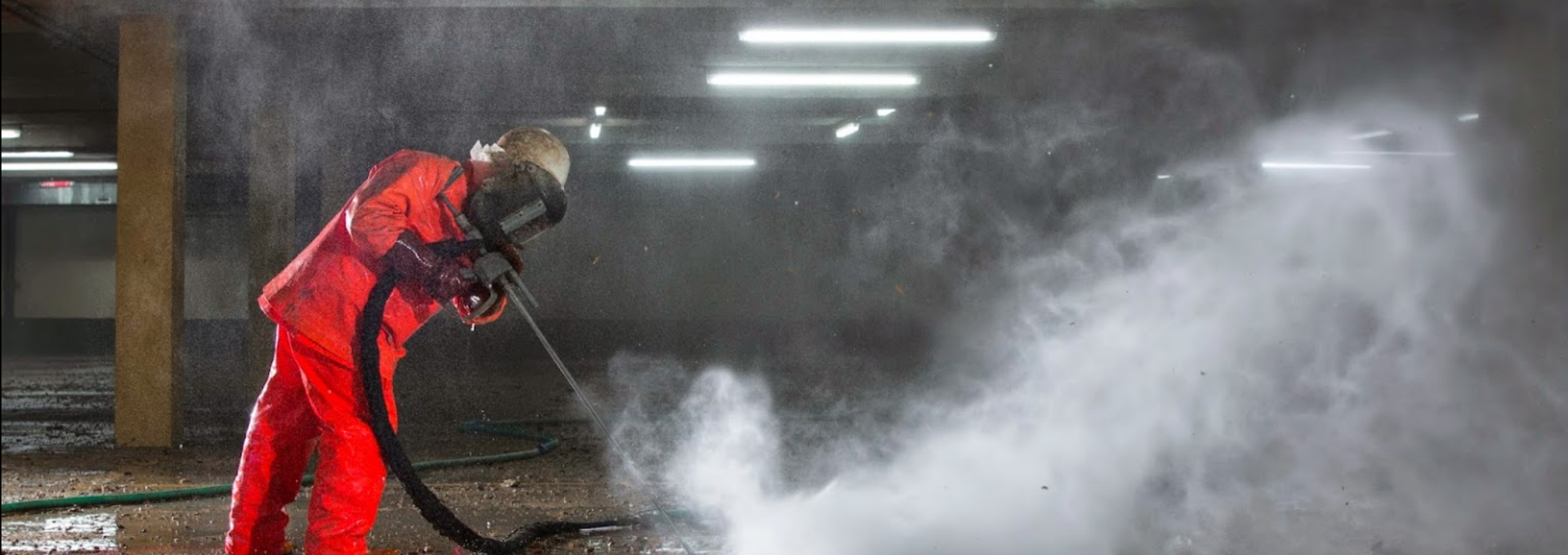
Processes such as water jetting and hydrodemolition use highly pressurised water to remove unwanted materials from surfaces.
During hydrodemolition, for example, the water removes damaged concrete while preserving sound material beneath. In surface preparation applications, water may remove coatings, contaminants or deteriorated surfaces.
As a result, the water leaving the work area is rarely clean. Instead, it often contains a mixture of debris and fine particles generated during the cleaning process.
Understanding what contaminants may be present helps determine the most appropriate containment and treatment approach.
How can waste water be contained effectively?
Containment is often the first step in reducing environmental impact. Before work begins, project teams may assess how water will flow across the site and identify potential routes into drains, watercourses or environmentally sensitive areas. Containment measures can include:
- Temporary bunding
- Drain covers
- Collection pits
- Vacuum recovery systems
- Specialist containment barriers
On projects involving UHP jetting, these controls help ensure waste water remains within designated work areas rather than spreading beyond the site.
Good containment planning can significantly reduce the risk of environmental incidents.
How is waste water treated before disposal?
Once collected, waste water often requires treatment before it can be safely discharged or removed from site. The treatment process depends on the contaminants present but may include:
- Sediment settlement
- Filtration systems
- Oil separation
- pH adjustment
- Specialist treatment processes
For example, hydrodemolition projects frequently generate concrete particles that increase water alkalinity. Treatment may be required to bring water quality within acceptable parameters before disposal.
The goal is to remove or reduce contaminants so that environmental risks are minimised.
How does modern equipment support environmental protection?
Advances in industrial cleaning equipment have improved the industry’s ability to manage waste water effectively.
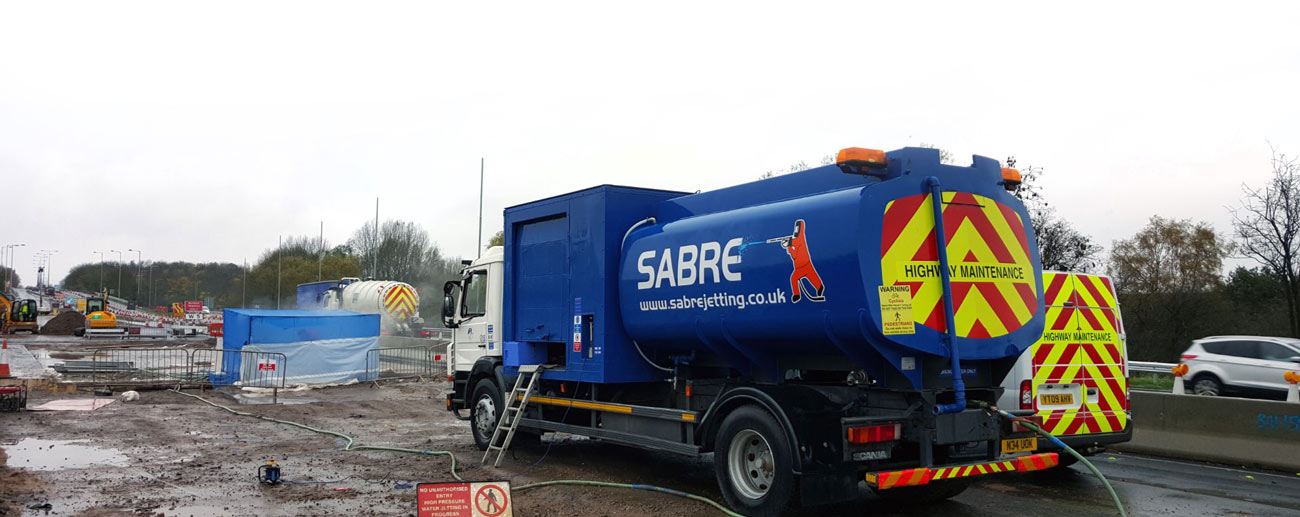
Many water jetting projects now incorporate recovery systems that collect waste water close to the source. This reduces the volume of uncontrolled run-off and improves overall site cleanliness.
Similarly, modern uhp jetting equipment can deliver highly targeted cleaning performance, helping operators use water efficiently while reducing unnecessary waste generation.
While equipment alone does not solve every environmental challenge, it plays an important role as part of a wider management strategy.
What are the wider benefits of responsible waste water management?
Environmental protection is often the primary objective, but there are several additional benefits. Effective waste water management can help:
- Improve site safety
- Reduce clean-up requirements
- Support regulatory compliance
- Protect nearby infrastructure
- Enhance project planning
For contractors and asset owners alike, these practical advantages often contribute to smoother project delivery.
As environmental expectations continue to evolve, responsible waste water management is becoming an increasingly important part of industrial cleaning operations. By combining careful planning, appropriate containment and effective treatment methods, businesses can significantly reduce environmental impact while maintaining high standards of operational performance.
FAQs
Why is waste water management important during industrial cleaning?
Waste water can contain contaminants such as sediment, paint residues, oils or concrete particles that may harm the environment if not properly managed.
What contaminants are commonly found in waste water?
The contents vary by project but may include dirt, concrete debris, coatings, oils, rust particles and other materials removed during cleaning.
How is waste water collected on site?
Methods may include containment barriers, vacuum recovery systems, drainage controls and collection pits designed to prevent uncontrolled run-off.
Does UHP jetting generate waste water?
Yes. Like many industrial cleaning processes, UHP jetting produces waste water that often requires containment and management after use.
Can waste water be treated before disposal?
In many cases, yes. Treatment methods such as filtration, settlement and pH adjustment may be used depending on the contaminants present and disposal requirements.