How Does High-Pressure Water Jetting Improve Workplace Safety?
Sep 24 2026Industrial cleaning and concrete removal often involve equipment capable of creating dust, vibration, flying debris and significant physical strain. The method chosen for the job can therefore affect far more than how quickly the work is completed.
Used in the right circumstances, high pressure and ultra-high pressure water jetting can help reduce some of these workplace hazards. It is used for applications including hydro-demolition, surface preparation, tank cleaning, pipe cleaning and the removal of stubborn industrial deposits.
It is important to be realistic about what this means. Ultra-high-pressure water itself is extremely hazardous and requires trained operators, controlled working areas and carefully maintained equipment. The safety advantages come from replacing or reducing other hazardous processes while managing the risks created by water jetting correctly.
How Can Water Jetting Reduce Dust During Concrete Removal?
Breaking, cutting and scabbling concrete can release respirable crystalline silica, often shortened to RCS. These very fine particles can enter deep into the lungs and prolonged exposure can cause serious diseases including silicosis.
The Health and Safety Executive identifies concrete cutting and breaking as activities capable of generating silica dust and recommends controlling dust at source wherever possible.
Water suppression is one recognised way of significantly reducing the amount of dust becoming airborne.
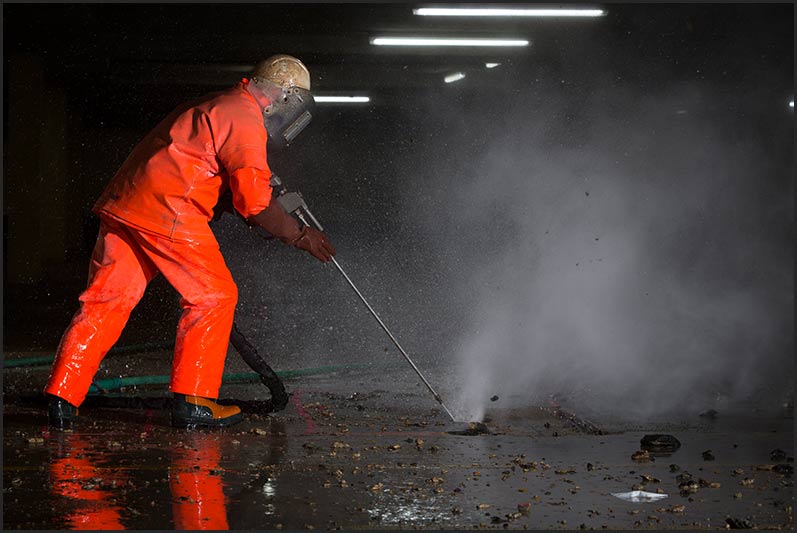
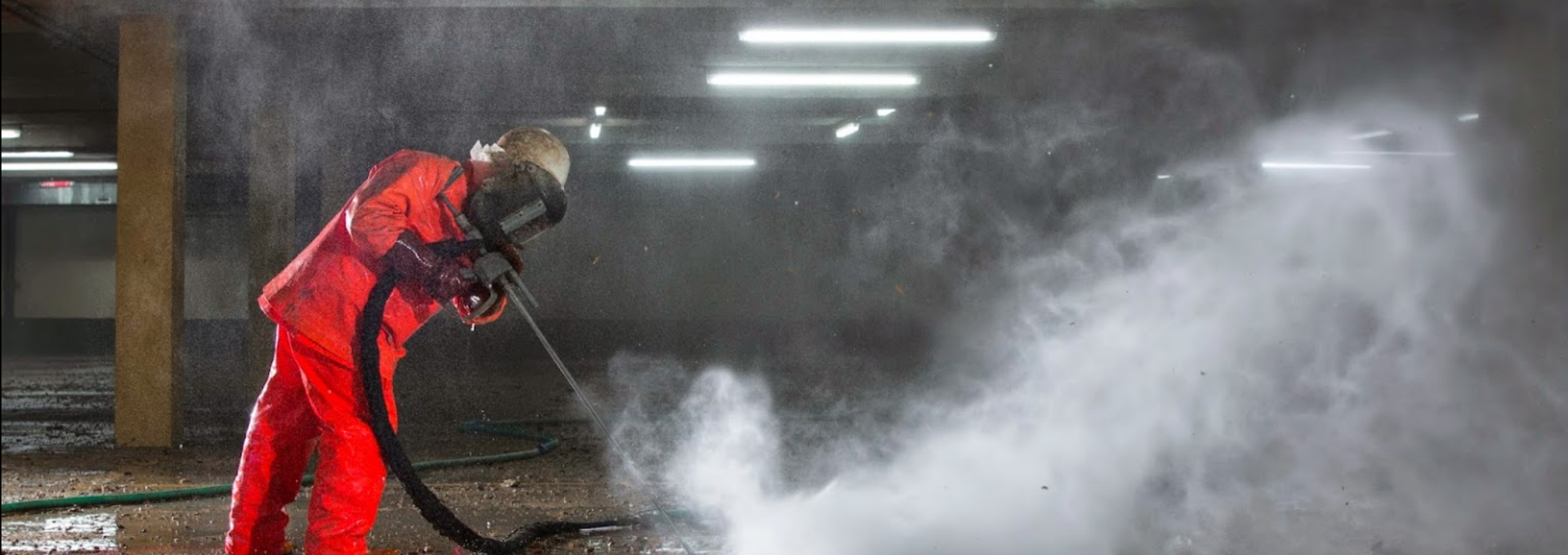
Hydro-demolition uses water itself to remove concrete.
At Sabre Jetting, we use ultra-high-pressure equipment for concrete removal and surface preparation, with some systems operating at pressures of up to 2,800 bar.
The process creates water, slurry and debris that still need controlling, but it can avoid the large clouds of dry concrete dust associated with some mechanical methods.
Can High-Pressure Water Reduce Exposure to Vibration?
Hand-arm vibration is another familiar issue on construction and maintenance projects. HSE guidance identifies equipment such as concrete breakers, scabblers, grinders and hammer drills as common sources of vibration exposure. Regular or prolonged use can contribute to Hand-Arm Vibration Syndrome HAVS, which can permanently affect nerves, blood vessels and joints.
High pressure water jetting can replace the use of handheld breakers and scabbling equipment across a range of applications, reducing workers’ exposure to risk.
This does not mean every concrete removal job should automatically use water. Access, material thickness, reinforcement, waste water management and the surrounding structure all need to be considered when deciding which process is suitable.
Can Water Jet Cleaning Reduce the Need for Chemicals?
Some industrial deposits can be removed mechanically or with chemical cleaning products. Depending on the material involved, water jet cleaning may allow stubborn contamination, scale, coatings or residues to be removed using pressurised water.
Sabre Jetting uses water-based methods for applications including heat exchanger cleaning, boiler cleaning, tank cleaning and surface preparation.
Where chemicals would otherwise be required, reducing their use can mean fewer substances need to be stored, mixed, handled and disposed of on site.
The nature of the deposit still matters. Some contaminants themselves may be hazardous, so the resulting wastewater and removed material need to be contained and managed appropriately.
How Can Better Cleaning Make Maintenance Safer?
Heavy deposits can hide the condition of the surface underneath them. Inside tanks, boilers, pipework and other industrial equipment, scale or hardened residue may make it difficult to inspect metal surfaces, joints or linings properly.
A thorough water jetting cleaning programme can expose those surfaces before an inspection or repair takes place. Maintenance teams can then see the condition of the equipment more clearly rather than working around layers of contamination.
Cleaning can also remove deposits that restrict access or interfere with maintenance work. On shutdown projects, completing this work before engineers begin inspection or repairs can make the following stages easier to plan.
What Safety Controls Are Needed for Water Jetting?
Water jetting should never be treated as a low-risk alternative simply because it uses water. At ultra-high & high pressure, a jet can cause serious injury. Hoses, connections and equipment also contain substantial stored energy. The HSE has investigated fatal incidents involving water jetting equipment where failings included inadequate safe working procedures, inadequate equipment maintenance, insufficient training and supervision.
Our experienced contractors therefore work to defined procedures.
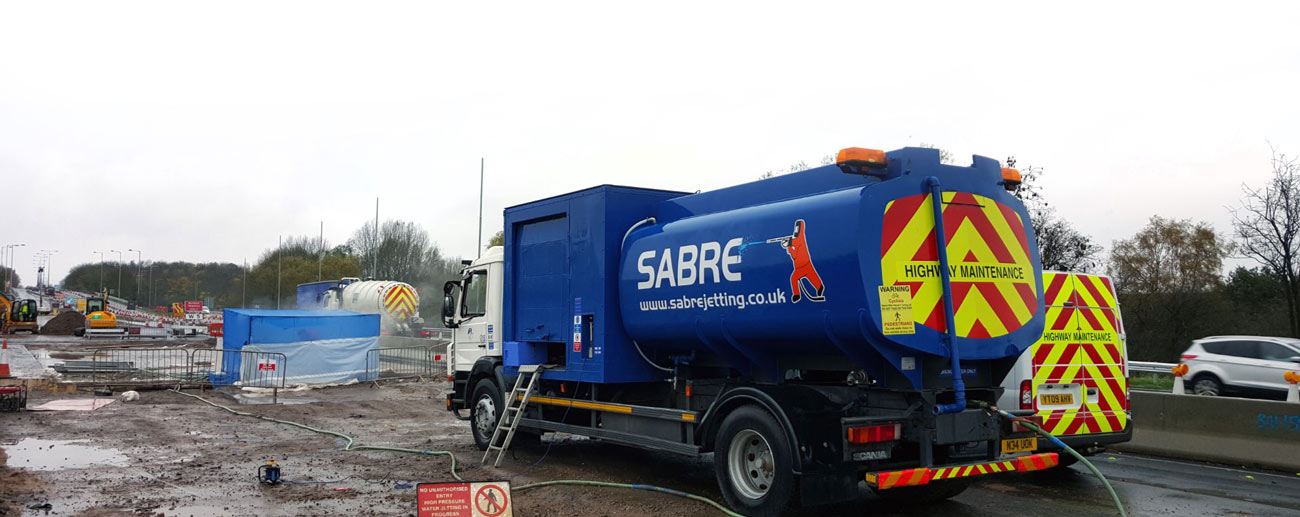
Sabre Jetting operators work to method statements and operate documented systems for gun maintenance, hose monitoring and testing. All of our equipment also includes remote emergency-stop arrangements for difficult working locations.
Depending on the project, other controls may include exclusion zones, specialist protective clothing, face protection, communication between operators and pump controllers, wastewater management and confined-space procedures.
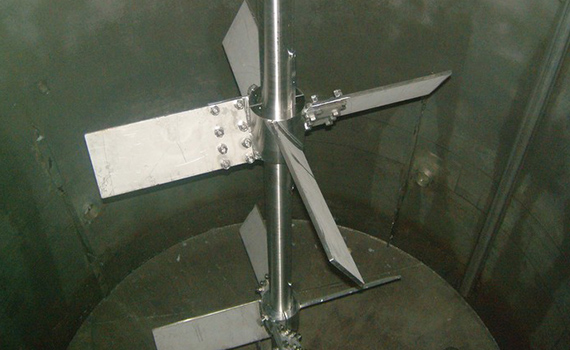
Tank work needs particular planning because access, ventilation and emergency arrangements may become part of the risk assessment. Sabre’s own tank-cleaning projects have involved harnesses, extraction fans, breathing-apparatus rescue equipment and a dedicated top person outside the vessel.
When Does Water Jetting Improve Workplace Safety Most?
The clearest benefits usually appear where the process reduces reliance on another activity carrying significant risks, such as prolonged mechanical breaking, dusty concrete preparation or chemical cleaning.
It can also help when remote equipment allows workers to remain further from the immediate removal area.
The key is method selection. A safe project starts by looking at what needs to be removed, where the work is taking place and what hazards each available method creates.
Water jetting can reduce several familiar workplace risks, but only when the equipment, operators and surrounding site are managed with the pressure involved firmly in mind.
FAQs
Does Water Jetting Completely Eliminate Silica Dust?
No. Using water can greatly reduce airborne dust during concrete work, but HSE guidance warns that water does not capture every silica particle. The complete risk assessment still needs to determine whether additional controls are required.
Is Hydro-demolition Safer Than Using a Concrete Breaker?
It can reduce exposure to hazards such as vibration and dry silica dust in suitable applications. Water jetting creates its own risks, so trained operators and strict controls remain essential.
Can Water Jetting Be Used Inside Tanks?
Yes, although tanks may be confined spaces. Access, ventilation, rescue arrangements, contamination and the jetting equipment itself all need to be considered before work starts.
Why Is Specialist Training Important for Water Jetting?
High pressure & ultra-high-pressure equipment can cause severe injury if operated incorrectly. Training ensures operators understand a safe setup, hose handling, communication, emergency procedures and the correct use of protective equipment.