High-Pressure Water Jetting vs. Traditional Tank Cleaning Methods
Feb 22 2026Keeping storage tanks clean is a critical task across many industries, from manufacturing and energy to food processing and water treatment. Over time, tanks can accumulate sludge, scale, chemical residues, or biological growth that affect safety, efficiency, and compliance. Choosing the right approach to tank cleaning can make a significant difference to results, downtime, and overall risk.
Two broad approaches are commonly used today. Traditional tank cleaning methods rely on manual labour, chemical cleaners, or mechanical tools. High-pressure water jetting, by contrast, uses controlled streams of water delivered at extremely high pressures to remove deposits. Understanding how these methods differ helps businesses decide which is most suitable for their operations.
How does traditional tank cleaning work?
Traditional cleaning methods often involve draining the tank, ventilating it, and sending operatives inside to remove residue by hand or with basic mechanical equipment. Chemical cleaning agents may be used to break down stubborn materials, followed by rinsing and disposal of waste.
This approach can be effective, but it comes with several challenges. Manual entry increases health and safety risks, especially in confined spaces. Chemical use introduces environmental considerations and can require additional neutralisation and disposal steps. The process can also be time consuming, leading to extended downtime for critical assets.
For large scale industrial tank cleaning, these factors can quickly add up, increasing costs and operational disruption.
What does high-pressure water jetting offer?
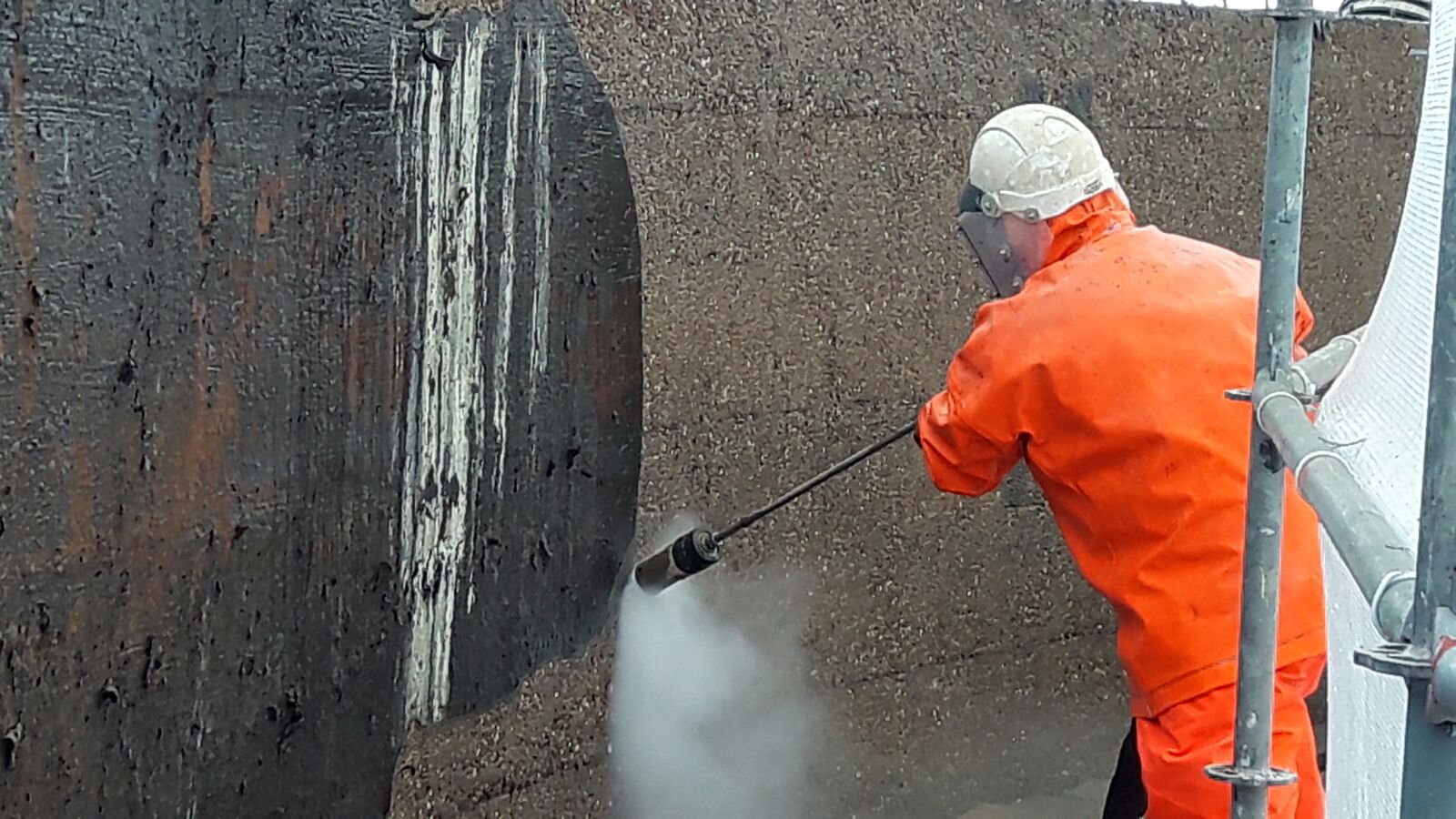
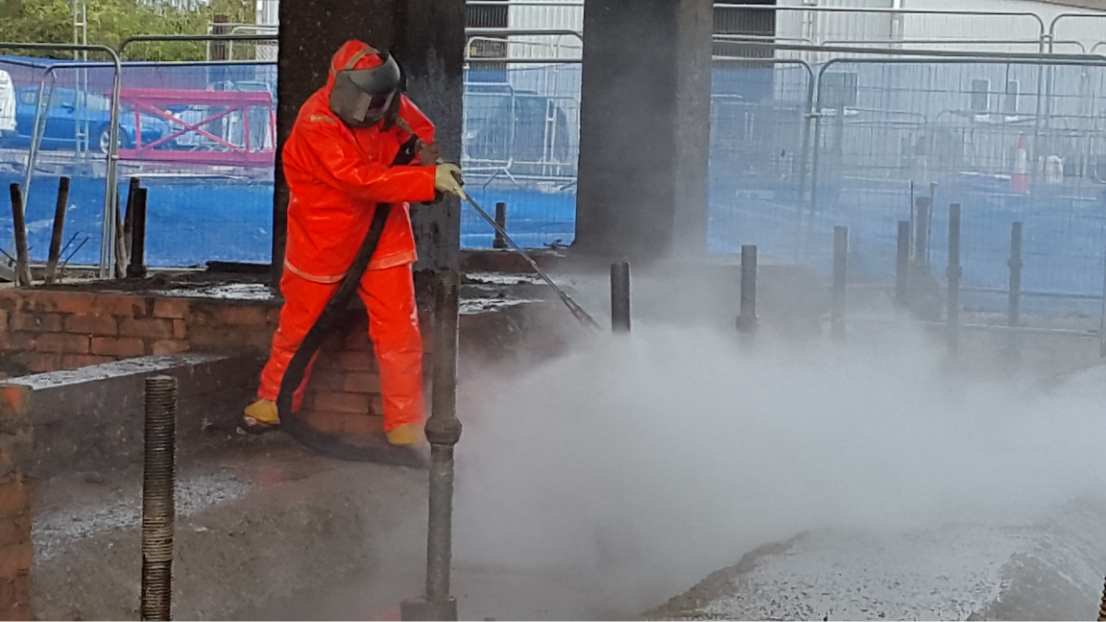
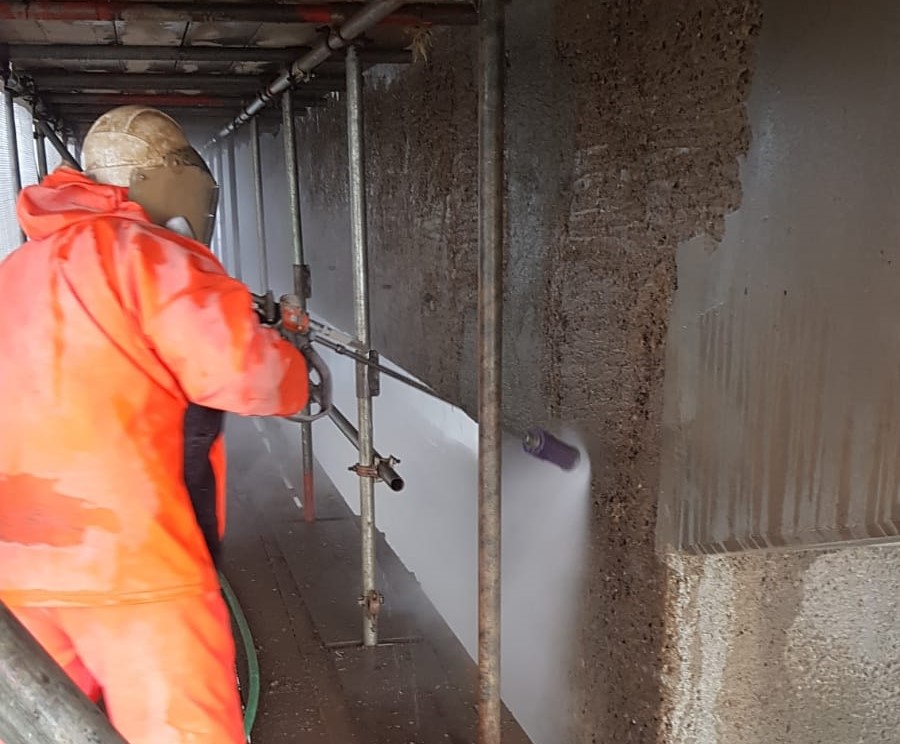
High-pressure water jetting uses pumps to deliver water at pressures strong enough to cut through hardened deposits without the need for chemicals. Specialised nozzles and lances direct the water precisely where it is needed, breaking down residues and washing them away efficiently.
One of the main advantages of this method is its versatility. It can be used on a wide range of materials and tank types, from steel vessels to concrete structures. Because the process relies on water alone, it reduces chemical exposure and simplifies waste handling.
In many cases, high-pressure systems can be operated remotely, which reduces or eliminates the need for confined space entry. This significantly improves safety during tank cleaning operations.
Which option is most efficient?
Traditional methods often depend on physical access and repeated manual effort. This can make it difficult to achieve consistent results, particularly in hard-to-reach areas or complex tank geometries. Residue may remain in corners or on internal fittings.
High-pressure water jetting, when properly planned, delivers a more uniform clean. The force of the water reaches into seams, welds, and internal structures, helping to restore surfaces more thoroughly. This can be especially valuable in industrial tank cleaning, where performance and hygiene standards are strict.
Time efficiency is another key difference. Water jetting typically completes cleaning faster, which reduces downtime and allows tanks to return to service sooner.
Which option is safest?
Safety is one of the strongest arguments in favour of high-pressure water jetting. Reducing the need for manual entry lowers the risk of accidents, exposure to hazardous substances, and fatigue related incidents. Operators remain outside the tank wherever possible, working with controlled equipment rather than hand tools.
From an environmental perspective, water jetting avoids the use of aggressive chemicals. This simplifies waste disposal and reduces the risk of chemical contamination. While water usage must still be managed responsibly, the overall environmental footprint is often lower than traditional chemical-based methods.
Which option is most cost-effective?
At first glance, traditional methods may appear less expensive due to simpler equipment. However, when labour, downtime, safety measures, and waste handling are considered, costs can rise quickly. High-pressure water jetting involves specialised machinery and trained operators, but the speed and effectiveness of the process often deliver better long-term value.
For facilities that require regular industrial tank cleaning, investing in more efficient methods can reduce operational disruption and improve asset lifespan by preventing corrosion and build up.
Which option is right for you?
There is no single solution that fits every situation. Small tanks with light residue may still be suitable for traditional cleaning. Larger tanks, hazardous environments, or sites with strict safety requirements often benefit from high-pressure water jetting.
The best approach depends on tank size, residue type, safety constraints, and turnaround requirements. A careful assessment ensures that cleaning is effective, safe, and aligned with operational goals.
FAQs
Is high-pressure water jetting suitable for all types of tanks?
It is suitable for many situations, but the material, condition, and contents of the tank must be assessed first.
Does water jetting damage tank surfaces?
When correctly specified and operated, it removes residue without damaging the underlying structure.
Are chemicals ever needed alongside water jetting?
In some cases, light chemical pre-treatment may be used, but many cleaning tasks can be completed using water alone.
How does water jetting improve safety?
It reduces the need for confined space entry and limits direct contact with hazardous residues.
Which method is more cost effective in the long term?
High-pressure water jetting often delivers better long-term value due to faster cleaning, reduced downtime, and lower safety risks.