Industries that Benefit from Hydrodemolition
Sep 02 2026Concrete removal sounds straightforward until the structure being repaired needs to remain in service. On bridges, car parks, industrial plants and water infrastructure, the aim is often to remove damaged concrete while leaving sound material and reinforcement intact.
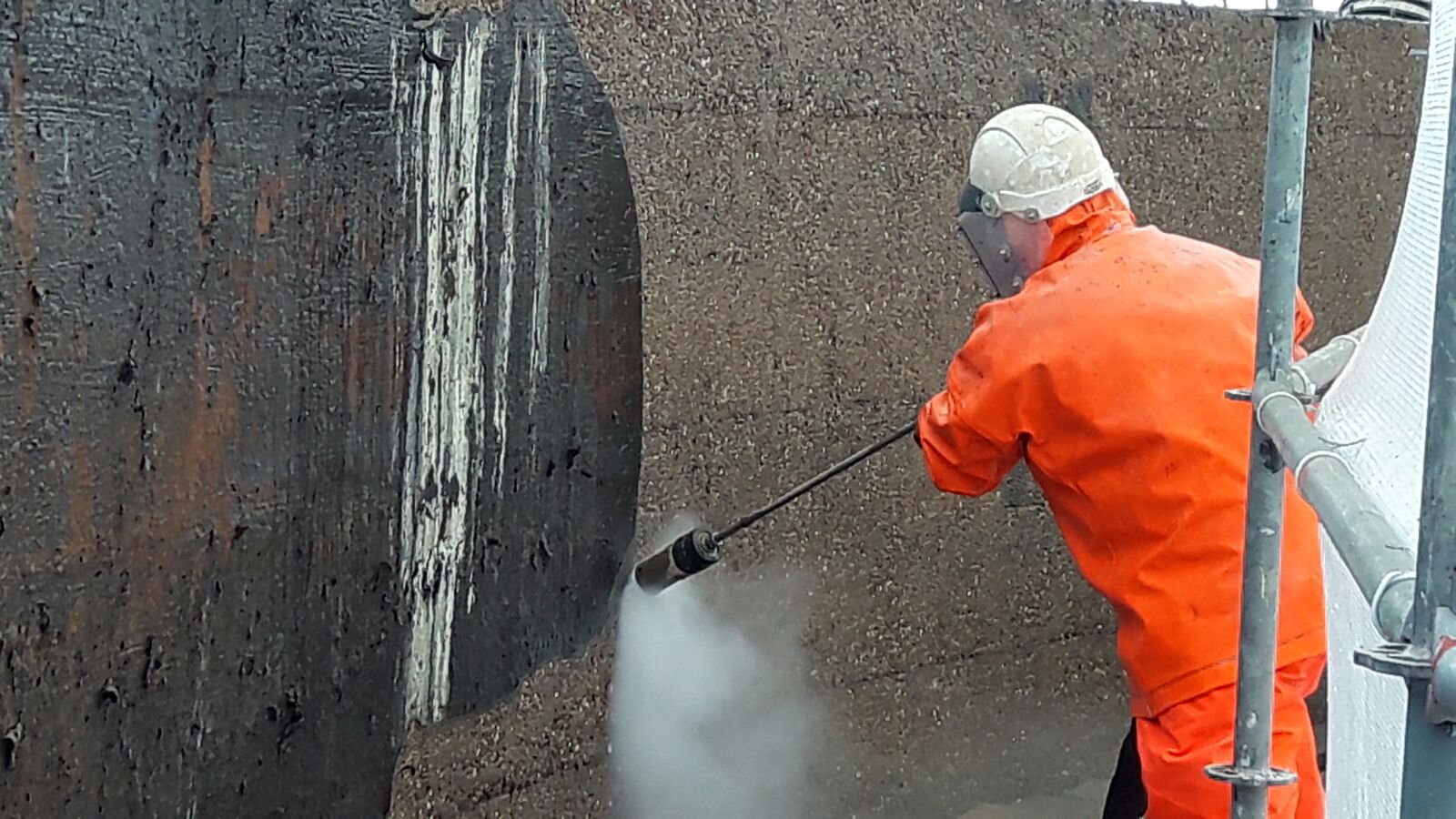
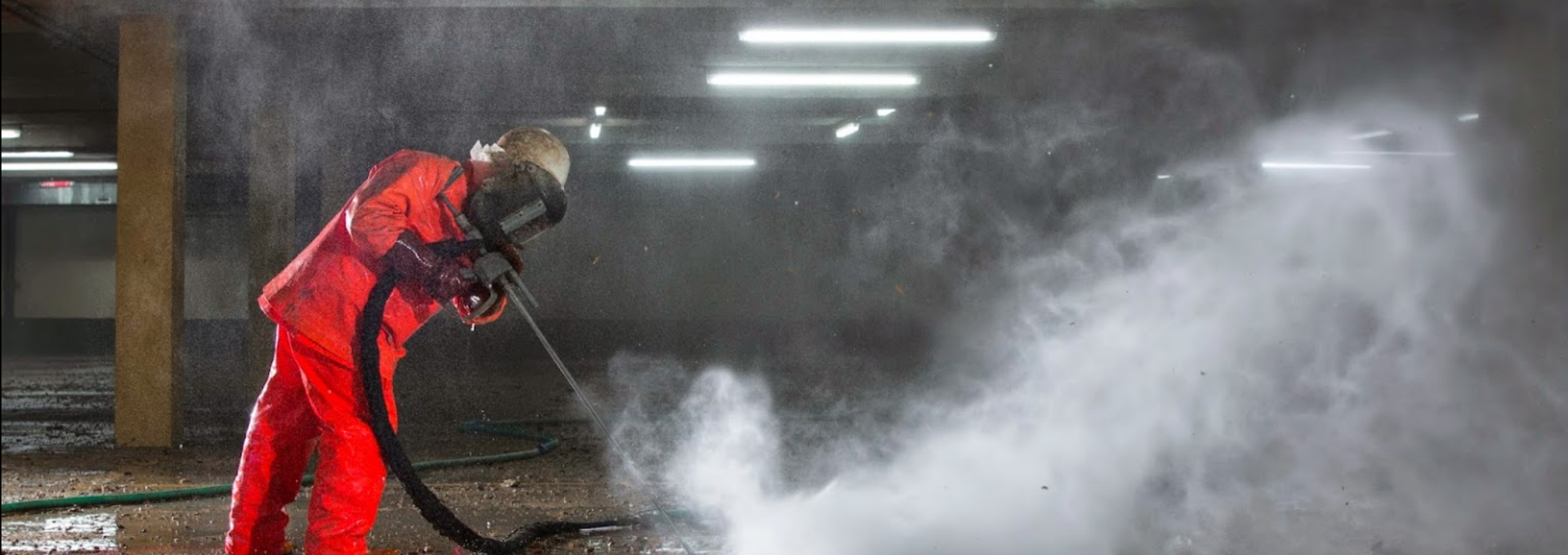
This is where hydrodemolition can be particularly useful. High-pressure water is directed at the concrete so that weakened material can be removed in a controlled way.
The method has found a place across several industries because it can reduce vibration, expose reinforcement without damage, and leave a suitable surface ready for subsequent concrete repair.
Why Is Hydro-demolition Widely Used on Bridges and Highways?
Highway structures are exposed to constant loading, weather, road salt and water ingress. Over time, sections of concrete can crack, delaminate or deteriorate around reinforcing steel.
When repairing a bridge deck, parapet or expansion joint, damaged concrete needs to be removed without creating additional problems in the surrounding structure.
Mechanical breakers generate vibration, which can cause microcracking beyond the intended repair area. Hydro-demolition uses water pressure instead, allowing operators to remove deteriorated concrete while retaining the steel reinforcement.
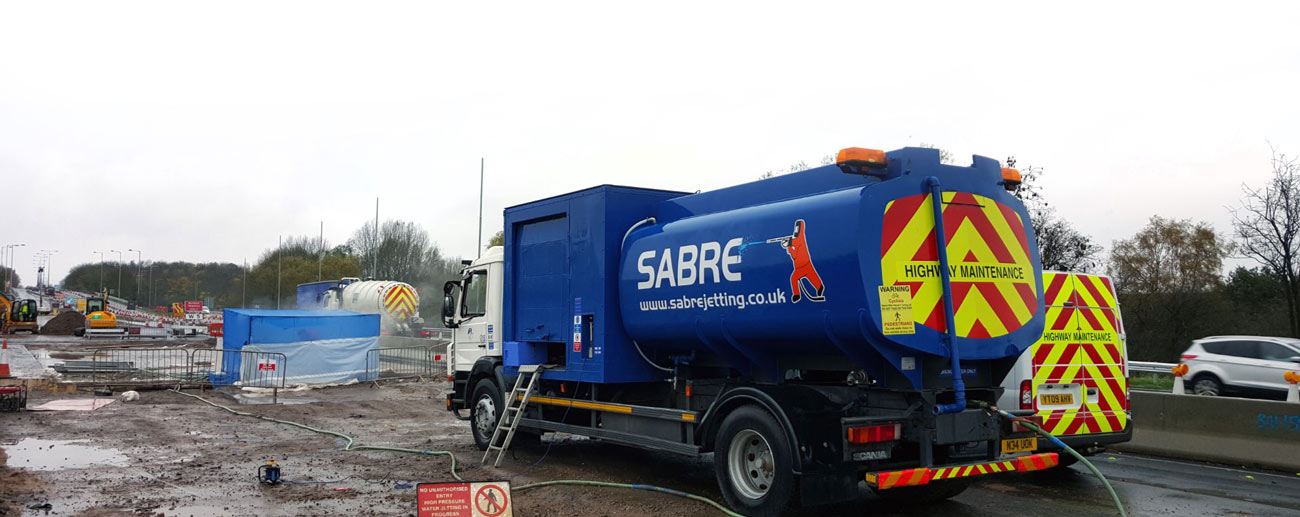
At Sabre Jetting, we have used this approach on projects including bridge decks, bearing removals and expansion-joint works on major UK roads.
How Can Rail Infrastructure Benefit from Hydro-demolition?
Rail bridges, platforms and other concrete structures face similar maintenance challenges.
Access windows are often tightly controlled because engineering work may need to take place while services are suspended. Deteriorated material therefore needs to be removed within a defined period and leave the structure ready for the next stage of repair.
Hydro-blasting can help where reinforcement needs to remain in place or concrete needs to be removed from around congested steelwork.
Reduced vibration can also be useful where surrounding structures, services or sensitive equipment need to remain protected during the works.
The amount of water generated does, however, need to be assessed appropriately.
Run-off water can contain solid particles and have an alkaline pH, so collection and treatment should form part of the method rather than being considered after work starts.
Our team at Sabre Jetting uses filtration and pH correction equipment for this purpose.
Why is the Method Useful for Water and Waste water Infrastructure?
Treatment works contain large amounts of reinforced concrete in tanks, channels, chambers and other structures that remain exposed to water and chemicals for long periods.
When these surfaces deteriorate, repairs may require damaged concrete to be removed before a new repair material or coating can be applied.
Water jetting can remove weak concrete while washing loose material from the repair area. The Concrete Society also notes that the process can remove corrosion from reinforcement and wash chlorides from the work area.
This can be particularly useful where repair specifications require clean, exposed reinforcement and a rough surface for the replacement concrete to bond to.
Where Does Hydro-demolition Fit Within Industrial Sites?
Manufacturing plants and heavy industrial facilities often contain reinforced concrete bases, floors, plinths and machine foundations.
Equipment upgrades can create a need to remove sections of concrete around existing structures. In other cases, years of chemical exposure, impact or heavy loading may have damaged a floor or foundation.
Using hydro-demolition allows concrete to be removed selectively, which can help when neighbouring equipment or retained structural elements need to remain undisturbed.
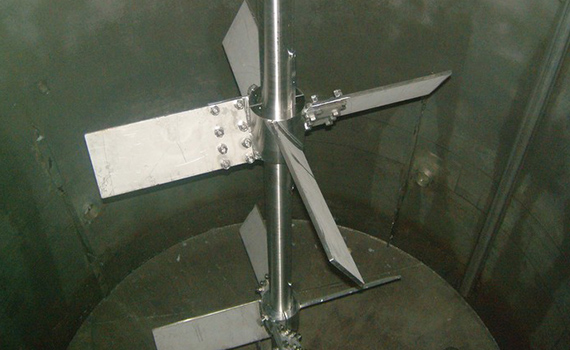
Ultra-high-pressure water jetting also has wider industrial uses beyond structural concrete. At Sabre Jetting, we can use water jetting for a range of industry tasks including tank cleaning, boiler cleaning, refractory lining removal and surface preparation.
The equipment and operating method therefore need to be chosen according to the material being removed rather than assuming one pressure or nozzle arrangement suits every job.
Can Energy and Utility Projects Use Hydro-demolition?
Power stations, energy plants and utility infrastructure contain substantial quantities of concrete, often surrounding equipment that has been operating for decades.
Maintenance work may involve removing deteriorated concrete from structural supports, foundations or access areas while retaining reinforcement for repair. In these situations, hydro-blasting can offer greater control than heavy mechanical breaking, particularly where vibration is a concern.
The same principles can apply during refurbishment projects where older concrete needs to be removed before strengthening, resurfacing or installation of replacement equipment.
When Is Hydro-demolition the Right Choice?
Whether hydro-demolition is the best choice for your next project usually comes down to what needs to remain after the concrete has been removed.
If reinforcement must be retained, vibration needs to be limited or the remaining concrete requires a strong surface for repair, water jetting can offer a multitude of advantages.
The site also needs suitable planning for water supply, exclusion zones, run-off collection and disposal. Ultra high-pressure water jetting & high-pressure water jetting is specialist work, so the method statement, equipment and operator training all need to reflect the specific conditions of the project.
For many infrastructure and industrial repairs, the value of hydro-demolition comes from being selective. The aim is to remove what has failed while preserving as much sound structure as possible.
FAQs
What Is Hydro-demolition Used For?
Hydro-demolition is mainly used to remove damaged or unwanted concrete while preserving sound surrounding material and reinforcing steel.
Is Hydro-blasting the Same as Hydro-demolition?
The terms are often used interchangeably in concrete removal. Hydro-blasting can also describe wider high-pressure water jetting applications outside concrete repair.
Can Hydro-demolition Remove Concrete Around Reinforcement?
Yes. One of its main advantages is the ability to remove concrete from around reinforcing steel without the impact damage associated with some mechanical methods.
Which Industries Commonly Use Hydro-demolition?
Typical sectors include highways, rail, water treatment, heavy industry, energy, utilities and other areas where reinforced concrete structures require repair or alteration.
What Happens to the Waste Water?
Water and concrete slurry need to be contained and managed appropriately. Depending on the project, treatment may include filtration and pH correction before the water is re-used or discharged under the appropriate controls.