Is Water Jet Surface Preparation a Cheaper Alternative to Abrasives?
Aug 25 2026When comparing water jetting with abrasive methods, the cost of the equipment or the contractor’s daily rate only tells part of the story. On an industrial site, preparation, containment, cleaning, and waste disposal can account for a sizeable proportion of the overall job.
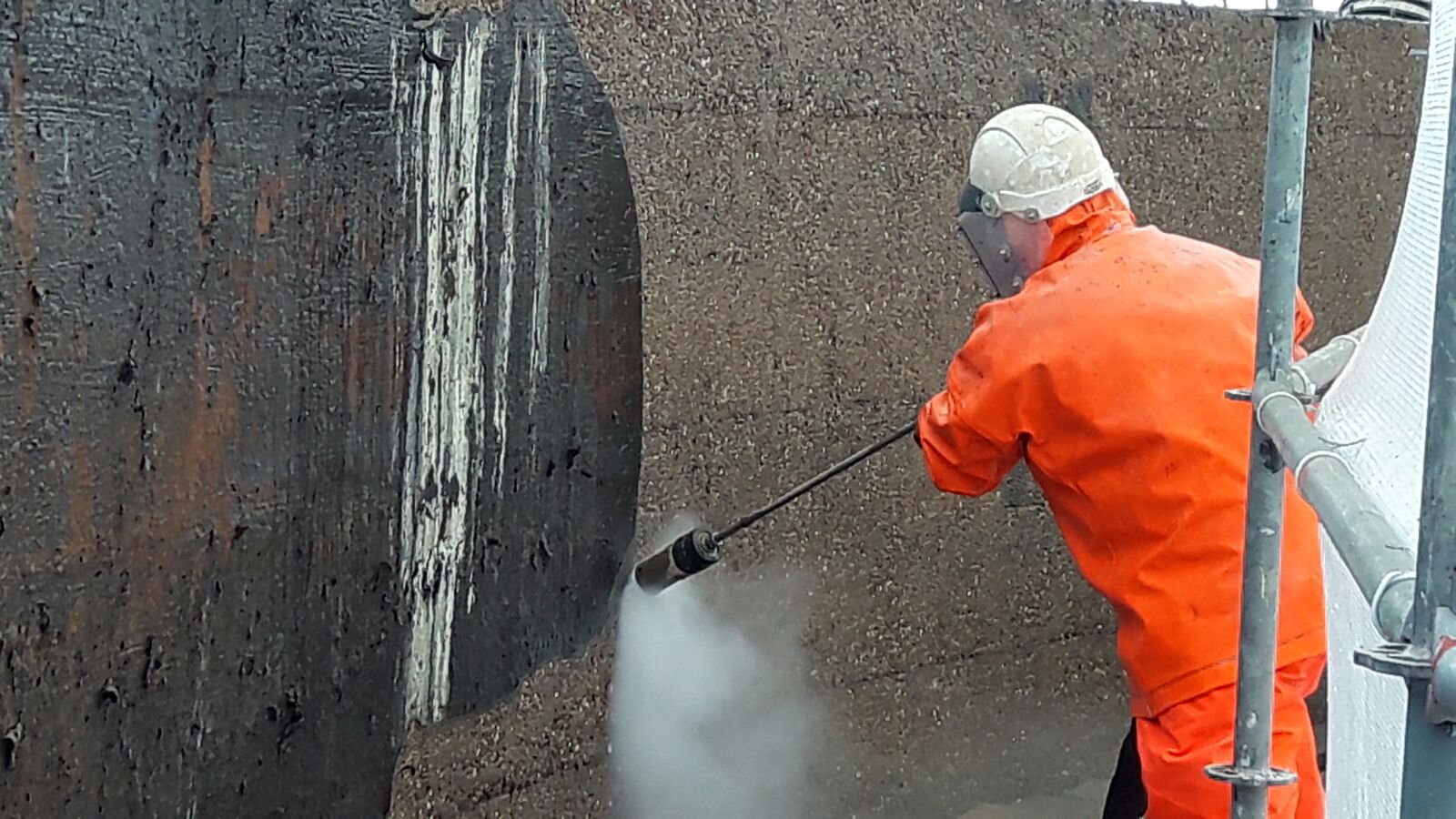
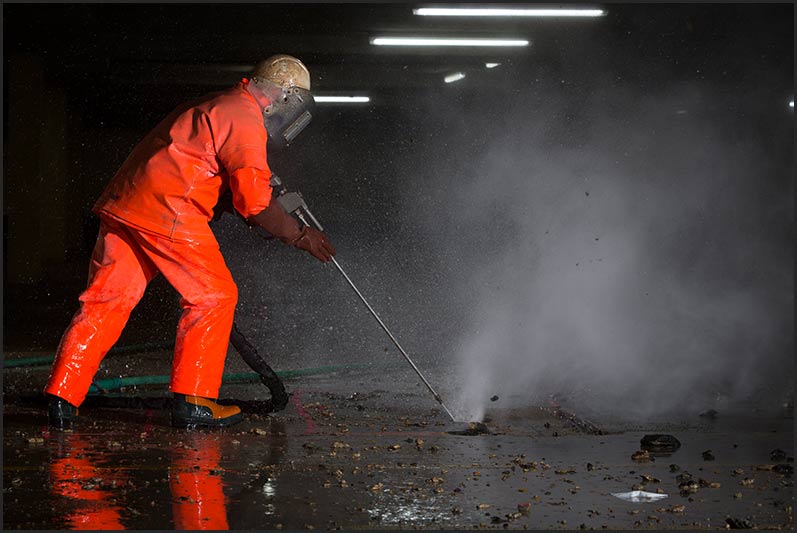
Ultra-high pressure water jetting uses water at very high pressure to remove coatings, contamination, and unwanted material from a surface. Abrasive methods achieve a similar objective by firing or mechanically applying abrasive material to the surface.
Which works out cheaper depends on what needs removing, the condition of the substrate and what happens to the waste afterwards.
Where Do the Costs of Abrasive Preparation Come From?
Abrasive blasting requires a supply of blasting media, which might include grit or another suitable material. That media has to be brought to site, handled during the work and then dealt with once it has been used.
The material removed from the surface becomes mixed with the spent abrasive. If old paint, corrosion or another contaminant is involved, the resulting waste may require controlled collection and disposal.
Dust is another consideration. The Health and Safety Executive identifies abrasive blasting as an activity that can expose workers to hazardous dust and requires appropriate controls. This may mean additional containment, respiratory protection, and cleaning depending on the environment.
These requirements do not necessarily make abrasive blasting expensive in every situation, but they need to be included when calculating the actual project cost.
How Does Water Jetting Change the Amount of Waste?
With water jetting, there is no separate abrasive material to purchase and then remove from the site afterwards.
The waste generally consists of the water together with whatever has been removed from the surface. Appropriate collection and disposal are still required, particularly where coatings or contaminants are involved, but there is no large volume of spent blasting grit added to that material.
For larger areas, this difference can become significant. Less solid waste can mean fewer bags, skips, or containers to handle and potentially fewer vehicle movements associated with disposal.
Ultra-high pressure systems can also achieve substantial cleaning force while using relatively controlled volumes of water. UHP equipment is capable of pressures up to 2,800 bar at around 20 litres per minute.
Can Water Jetting Reduce Labour Costs?
Programme length is often where the financial comparison becomes interesting. If a method allows a team to complete more surface preparation during a shift, the saving extends beyond labour. Plant may be required for fewer days, access equipment can potentially be removed sooner and other contractors may be able to begin their work earlier.
This is particularly relevant during shutdowns or refurbishment projects where an area cannot return to normal use until preparation and subsequent repairs or coatings have been completed.
There will still be set-up time for UHP equipment, hoses, exclusion zones and water management, so the size and accessibility of the job need to justify the method.
How Does Water Jetting Compare With Concrete Scabbling?
Concrete scabbling mechanically removes the surface of concrete to create a rough profile or remove unwanted material. It remains useful for certain applications, although the process can produce considerable dust and vibration.
The HSE warns that scabbling and grinding concrete can produce very high levels of silica-containing dust, requiring effective controls.
Water jetting can provide another option for preparing concrete before repairs, overlays or bonding. The water removes material without the repeated mechanical impact associated with concrete scabbling, while exposing a suitable surface for subsequent work.
The best choice depends on the required depth of removal and surface finish, so specifications should be considered before selecting a method purely on cost.
Is Water Jetting Suitable for Every Surface?
There are practical limitations. Water needs to be captured or directed safely, and the working area has to accommodate high-pressure equipment and hoses. On steel surfaces, the specification for the next coating also matters, including the required surface profile and how quickly coating will take place after preparation.
Abrasive blasting can therefore remain appropriate when a particular blasted profile is required.
For concrete surface preparation, coating removal, and many industrial cleaning applications, water jetting can become financially attractive where it reduces secondary waste, dust-control requirements, and overall programme time.
How Should Businesses Compare the Two Methods?
Ask contractors to explain what is included in the complete process. Consider the working time, quantity of abrasive material required, water management, containment, cleaning, waste volume, disposal requirements and how quickly the next stage of the project can begin.
On some projects, abrasive preparation will remain the most economical choice. On others, the higher productivity and reduced volume of secondary waste associated with UHP water jetting can make it cheaper once the complete job is taken into account.
FAQs
Is Water Jetting Cheaper Than Abrasive Blasting?
It can be, particularly where reducing waste disposal, cleaning and programme time produces additional savings. The most economical method depends on the surface and specification.
Does UHP Water Jetting Create Waste?
Yes. The removed coating or material still needs to be collected along with the wastewater, although there is no spent abrasive media added to the waste.
Can Water Jetting Prepare Concrete for a New Coating or Overlay?
Yes. High-pressure and ultra-high pressure water jetting can be used to remove surface material and create a suitable key for certain repair systems and overlays.
Does Water Jetting Produce Less Dust?
Using water can substantially reduce airborne dust compared with dry mechanical or abrasive processes, although other safety controls are still required when operating UHP equipment.
What Should Be Considered When Comparing Surface Preparation Quotes?
Look beyond the contractor’s working rate. Include mobilisation, containment, abrasive materials, water management, cleaning, waste disposal and the number of shifts required to complete the work.