High-Pressure Water Jetting For Industrial Surface Cleaning
Jul 24 2026Industrial surfaces are exposed to a wide range of contaminants throughout their working life. Paint coatings, corrosion, oils, chemical residues, rubber deposits, and environmental build-up can all affect the condition of a structure or asset over time. Before maintenance, repair or recoating work can begin, those contaminants often need to be removed safely and effectively.
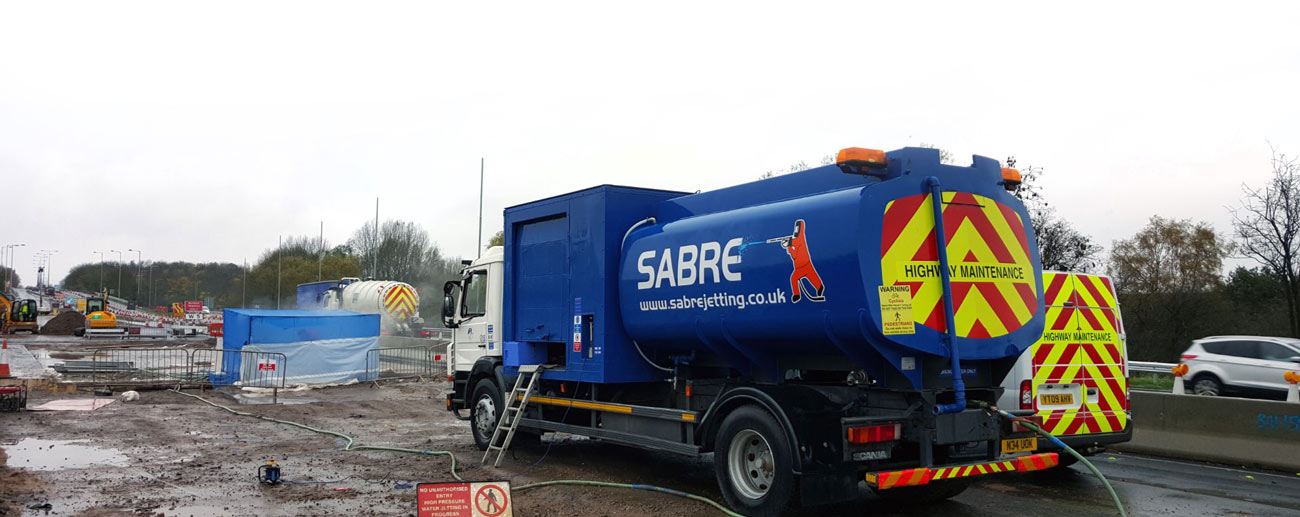
This is where high pressure water jetting has become an important tool across many industries. From bridges and highways to industrial plants and marine structures, water jetting offers a practical method of surface cleaning that can prepare substrates for further work while avoiding some of the challenges associated with traditional mechanical methods.
What is high pressure water jetting?
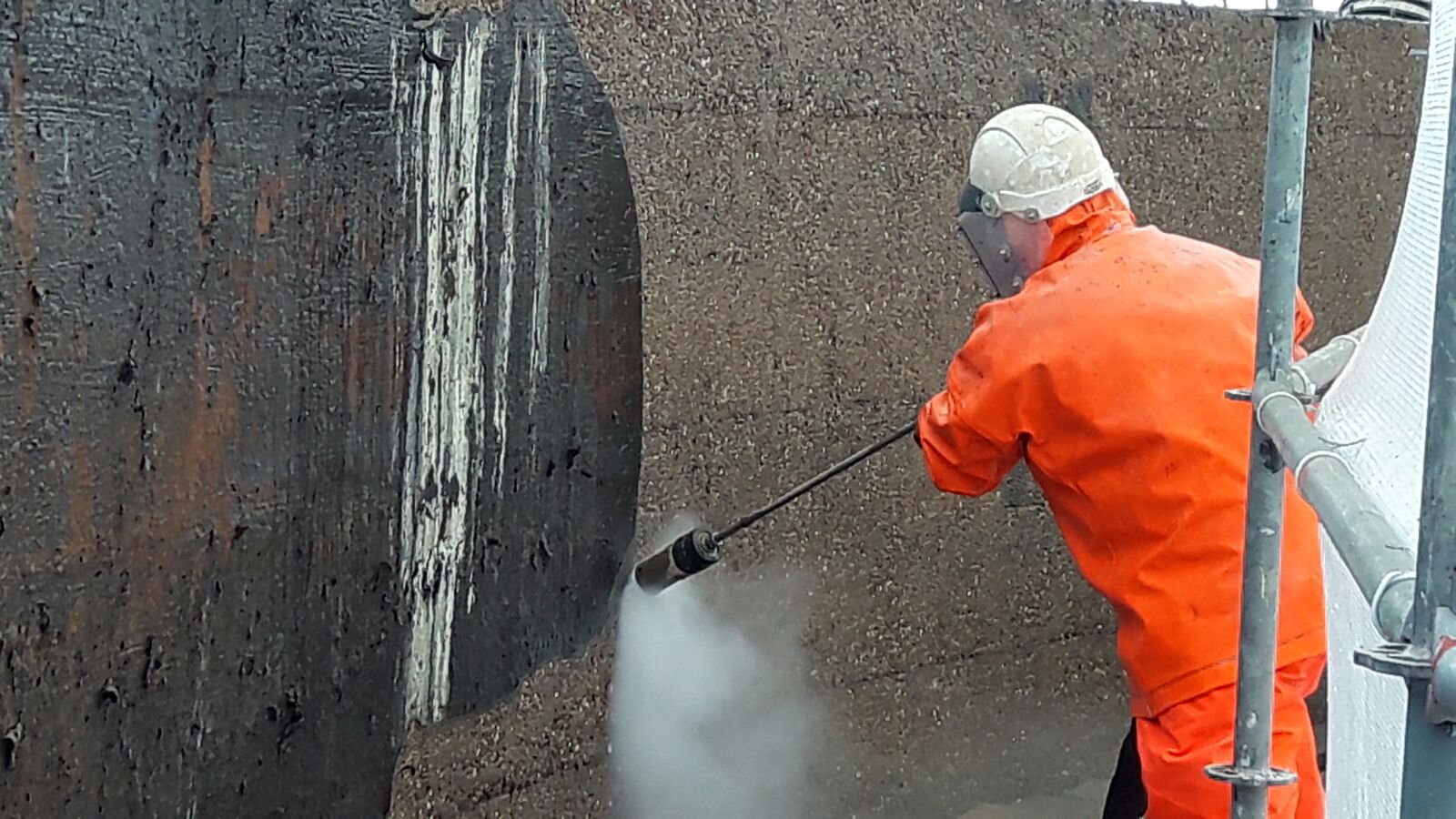
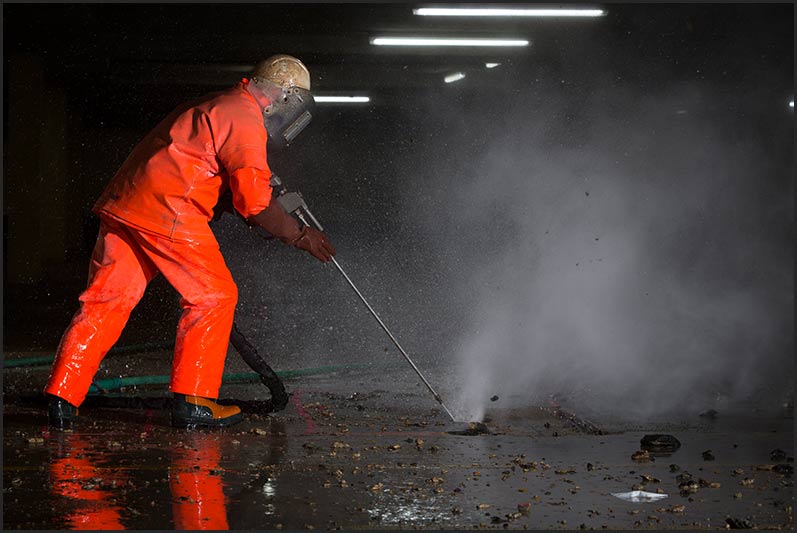
High pressure water jetting uses water delivered at extremely high pressures to remove unwanted materials from a surface.
The process can be adapted to suit different cleaning requirements. Lower pressure systems may be used for general cleaning applications, while more demanding projects may require ultra-high-pressure systems capable of removing coatings, corrosion and contamination from hard surfaces.
The pressure, flow rate, and nozzle configuration are selected according to the material being removed and the condition of the underlying substrate.
When used correctly, the process can clean surfaces thoroughly while helping preserve the integrity of the structure beneath.
Why is surface preparation so important?
Many industrial maintenance projects depend on effective surface preparation.
If coatings are applied over dirt, corrosion or loose material, there is an increased risk that the new coating system may fail prematurely. Poor preparation can reduce adhesion and potentially shorten the lifespan of repair or protection works.
Surface cleaning is therefore often one of the most important stages of a project. It creates the conditions needed for repair materials, protective coatings or waterproofing systems to perform as intended.
This is one reason why high-pressure water jetting is commonly specified before painting, coating and structural repair activities.
How does UHP jetting differ from standard cleaning methods?
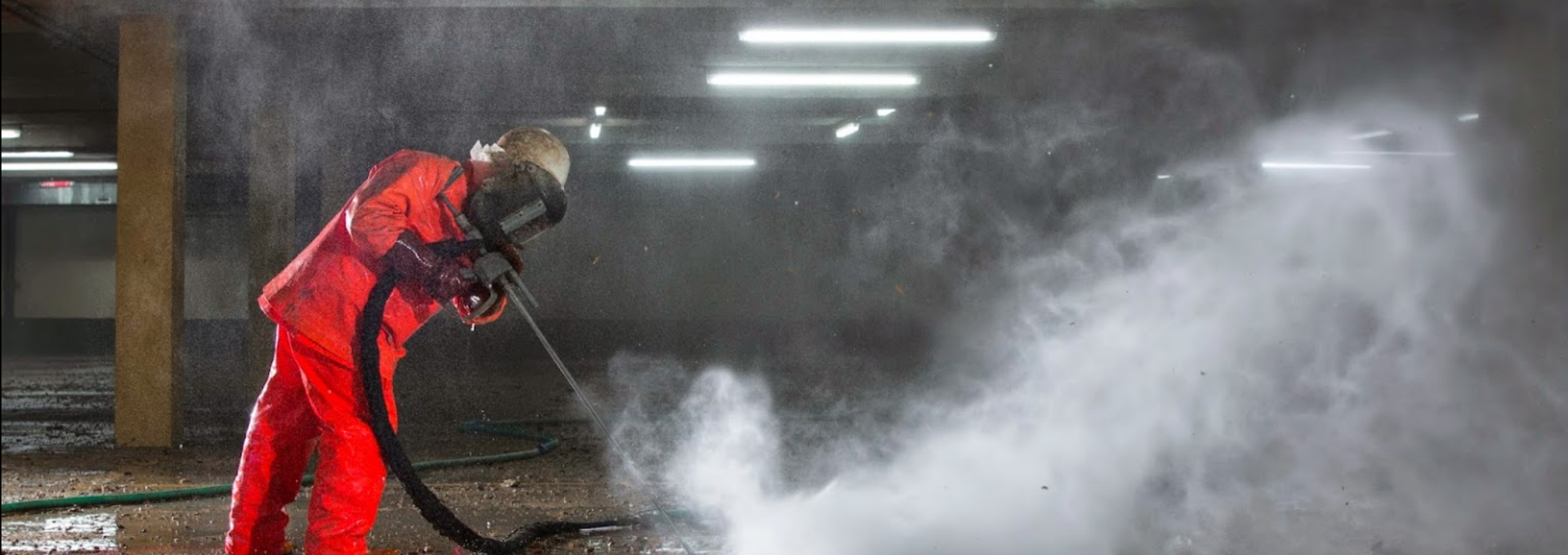
UHP jetting, or ultra-high-pressure jetting, operates at significantly higher pressures than conventional cleaning systems.
This allows operators to remove difficult coatings, heavy contamination, and deteriorated surface layers that may be resistant to lower-pressure cleaning methods.
One of the advantages of UHP jetting is its ability to clean surfaces without introducing abrasive media. This can reduce secondary waste streams and simplify site clean-up requirements in certain applications.
The process is regularly used on infrastructure projects, industrial facilities and concrete repair schemes where thorough surface preparation is required.
Which industries use water jetting for surface cleaning?
The versatility of high-pressure water jetting means it can be used across a wide range of sectors. Common applications include:
- Bridge maintenance
- Rail infrastructure
- Marine structures
- Industrial plants
- Petrochemical facilities
- Highways and tunnels
- Power generation sites
- Water treatment facilities
In each environment, the cleaning requirements may differ, but the objective remains similar: remove unwanted material while preparing the surface for its next stage of use.
What factors influence the success of a cleaning project?
Successful surface cleaning relies on more than simply applying water at high pressure. Operators must consider:
- The condition of the substrate
- The type of contamination present
- Environmental conditions
- Waste management requirements
- Access constraints
- Safety considerations
Different surfaces require different approaches. A concrete structure undergoing repair may require a different treatment strategy to a steel bridge being prepared for repainting.
Experienced operators will assess these factors before selecting the appropriate equipment and operating parameters.
Why is planning important before water jetting begins?
The preparation work carried out before cleaning starts often has a significant impact on project outcomes.
Site surveys, risk assessments, and trial areas help identify the most suitable cleaning method and determine realistic production rates. This planning stage also helps ensure the process is carried out safely and efficiently.
Whether the objective is coating removal, contamination removal or preparation for structural repairs, careful planning allows high pressure water jetting techniques to be applied in a controlled and effective manner.
As industrial assets continue to age and maintenance requirements increase, methods such as UHP jetting are likely to remain an important part of surface preparation and cleaning programmes across a wide range of industries.
FAQs
What is high pressure water jetting used for?
High pressure water jetting is commonly used to remove coatings, corrosion, dirt, contamination and other unwanted materials from industrial surfaces.
What does UHP jetting mean?
UHP jetting stands for ultra-high-pressure jetting, which uses extremely high water pressures for demanding cleaning and surface preparation applications.
Can UHP water jetting be used on concrete surfaces?
Yes. UHP water jetting is frequently used for concrete cleaning, surface preparation and concrete repair projects.
Why is surface preparation important before applying coatings?
Proper surface preparation helps improve coating adhesion and may contribute to longer-lasting performance of protective systems.
Which industries commonly use industrial water jetting?
Industries including rail, highways, marine, petrochemical, power generation and infrastructure maintenance regularly use water jetting for cleaning and surface preparation.