The Environmental Benefits of Hydrodemolition
May 25 2026As infrastructure ages, repair and refurbishment projects are becoming more common across bridges, tunnels, car parks, and industrial structures. In many of these projects, the method used for concrete removal has a direct effect on waste levels, repair quality, and environmental impact.
Hydrodemolition has become increasingly important in this area because it removes damaged concrete using ultra-high pressure water rather than heavy mechanical force. In practice, this often allows repairs to be carried out more precisely while reducing some of the wider environmental pressures associated with traditional demolition methods.
What is hydrodemolition and how does it work?
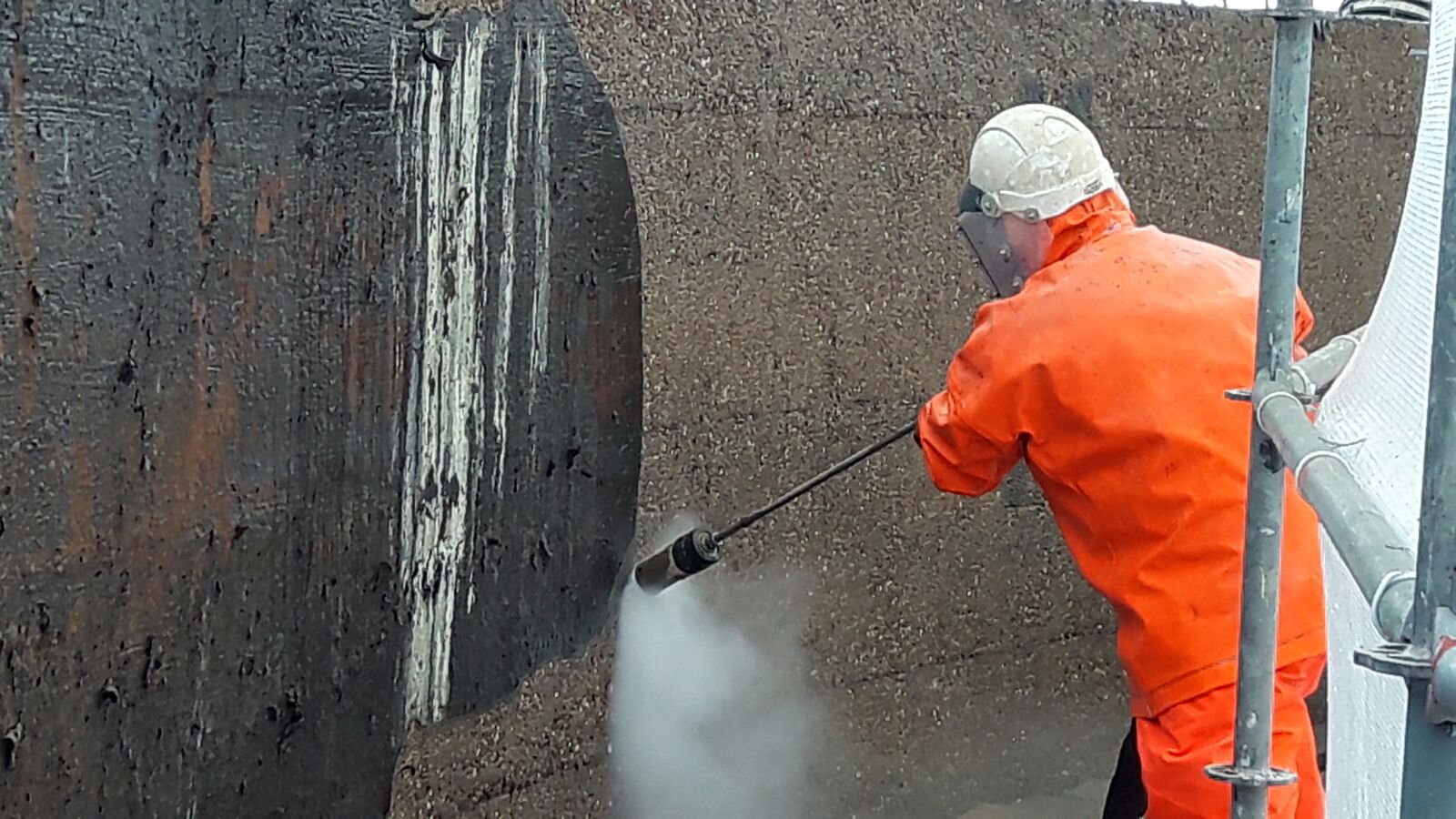
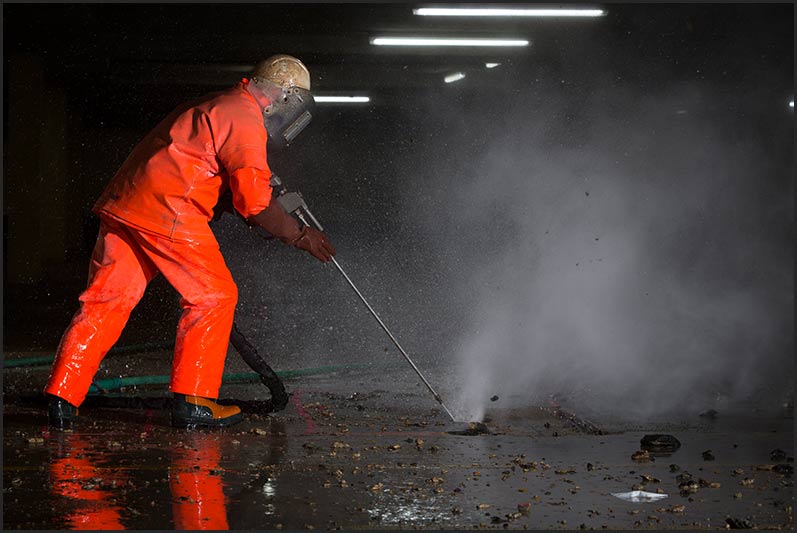
Hydrodemolition uses ultra-high pressure water jets to remove deteriorated or damaged concrete from a structure. The water targets weaker areas within the concrete while leaving sound material largely intact. This selective process allows engineers to remove only the sections that genuinely require repair rather than breaking out large surrounding areas unnecessarily.
For many projects, hydrodemolition is used on bridges, marine structures, highways, and industrial facilities where structural integrity needs to be preserved during repair work.
How does hydrodemolition reduce unnecessary waste?
Traditional concrete removal methods can sometimes remove more material than required because mechanical tools break through both damaged and healthy concrete together.
Hydrodemolition allows repairs to remain more targeted. By removing only deteriorated sections, less material leaves the site overall.
In practical terms, this means:
- Reduced volumes of demolition waste
- Fewer replacement materials required
- Lower transport demands for waste disposal
- Reduced environmental impact linked to material production
Over larger infrastructure projects, these reductions can become significant across the lifespan of the repair programme.
Why does preserving reinforcement matter environmentally?
Concrete structures often contain steel reinforcement bars beneath the surface. Traditional demolition methods may damage or weaken this reinforcement during the concrete removal process.
Hydrodemolition removes deteriorated concrete while generally leaving the reinforcement intact and clean. This allows more of the existing structure to remain in place rather than requiring full replacement.
Preserving reinforcement has environmental benefits because it reduces the need for new steel production, which is often energy intensive. Extending the lifespan of existing structures also reduces the resources required for complete reconstruction projects.
How does hydrodemolition reduce dust and airborne pollution?
Mechanical demolition methods frequently generate large amounts of dust, particularly during dry cutting or breaking operations.
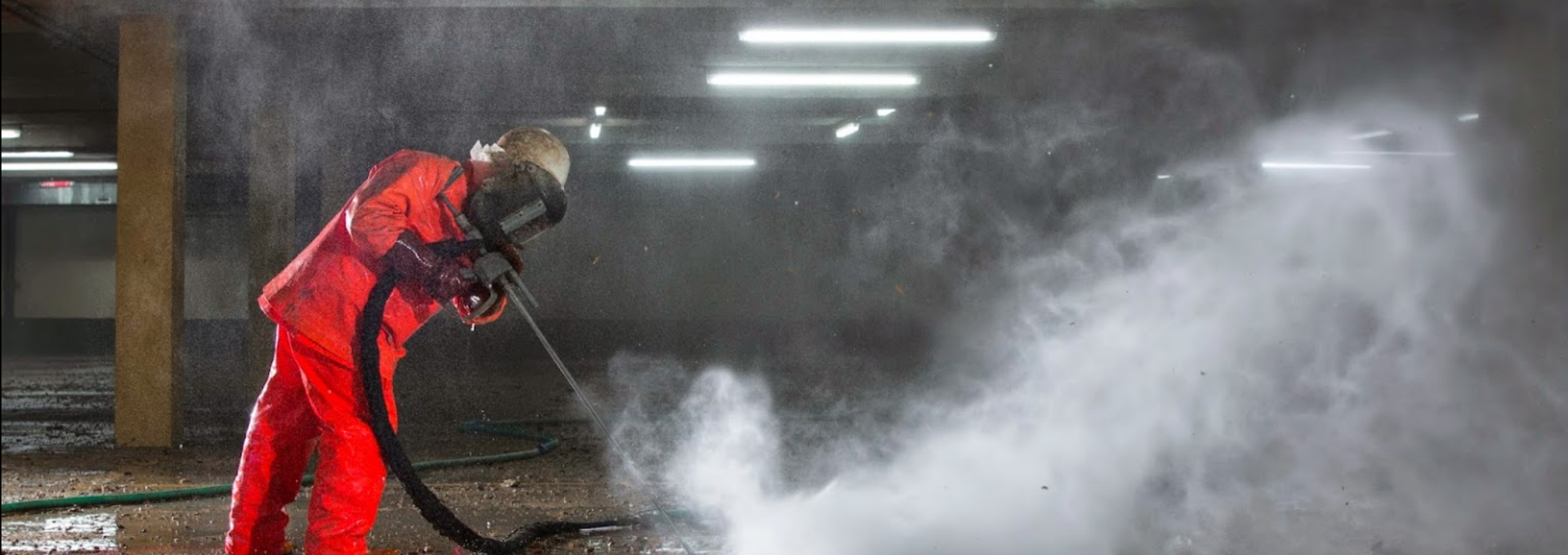
Hydrodemolition uses water throughout the process, which greatly reduces airborne dust levels during concrete removal. This can improve working conditions on site and reduce the spread of dust into surrounding areas.
In urban locations or live infrastructure environments, this reduction in airborne particles can make projects easier to manage while limiting disruption to nearby workers, residents, or road users.
Can hydrodemolition improve the lifespan of repairs?
Environmental impact is not only about waste during construction. It also relates to how long repairs remain effective afterwards.
Hydrodemolition creates a textured surface that allows new repair materials to bond more effectively with the existing structure. Better bonding can help reduce premature failure in repair areas.
In practice, longer lasting repairs may reduce how often structures need additional maintenance work in the future. Fewer repeat interventions generally mean fewer materials, reduced transport, and lower long-term disruption.
How does hydrodemolition support sustainable infrastructure maintenance?
Many existing bridges, tunnels, and industrial structures are expected to remain operational for decades longer than originally planned.
Hydrodemolition supports this approach by allowing targeted repair rather than full demolition and reconstruction. Maintaining existing infrastructure where possible often carries a lower environmental cost than complete replacement projects.
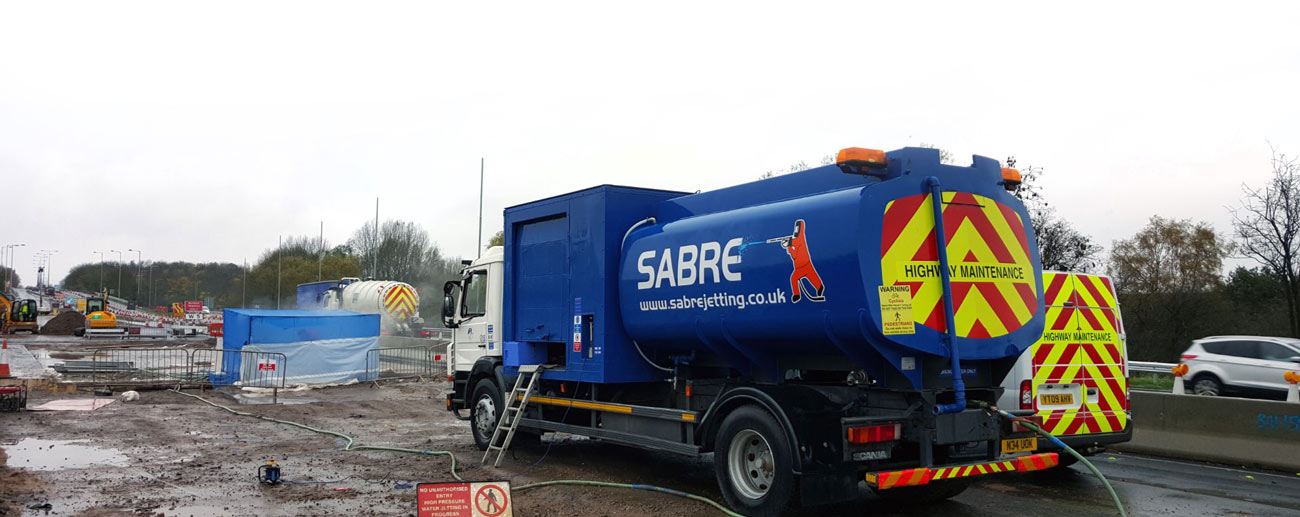
This is particularly relevant in sectors where structures are difficult or disruptive to replace entirely, such as highways, rail infrastructure, and marine facilities.
Why is water management still important?
Although hydrodemolition reduces dust and unnecessary concrete removal, waste water management remains an important part of the process.
Runoff water and removed concrete particles must still be collected, filtered, and disposed of correctly. Responsible site management helps ensure environmental benefits are maintained throughout the project rather than shifting impact elsewhere.
Well-managed hydrodemolition projects often combine precision removal with careful containment and waste handling procedures.
Why are environmental considerations becoming more important in repair work?
Infrastructure owners are increasingly expected to balance structural safety with sustainability targets.
Methods such as hydrodemolition support this shift because they help reduce waste, preserve usable materials, and extend the lifespan of existing assets through controlled concrete removal.
Over time, these practical improvements in repair methodology contribute to more sustainable infrastructure maintenance while still supporting long term structural performance.
FAQs
What is hydrodemolition used for?
Hydrodemolition is commonly used for removing damaged concrete from bridges, tunnels, and industrial structures.
How does hydrodemolition reduce waste?
It removes only deteriorated concrete, which reduces unnecessary material removal and disposal.
Does hydrodemolition create less dust?
Yes, because the process uses water, airborne dust levels are significantly lower than many mechanical methods.
Why is preserving reinforcement important?
Keeping reinforcement intact reduces the need for additional steel replacement and supports longer structure lifespan.
Can hydrodemolition improve repair durability?
The process creates a strong bonding surface for repair materials, which may help repairs last longer.