Why is Pipeline Cleaning Necessary for Industrial Systems?
Apr 17 2026Pipelines are often out of sight, but they play a central role in how industrial systems operate. Whether carrying water, chemicals, or waste, they need to remain clear and functional for the wider process to run smoothly.
Over time, build up inside pipes is almost unavoidable, meaning proper cleaning and maintenance is essential. Industrial pipe cleaning ensures that systems keep working as intended, preventing small issues from developing into larger problems.
What causes build up inside pipelines?
Even in well managed systems, materials can begin to accumulate along the inner walls of pipes. This might include scale from minerals, residues from processed materials, or general debris carried through the system.
In some environments, grease or sludge can also form layers that gradually reduce the internal diameter of the pipe. This affects how easily materials can flow through the system.
What starts as a thin coating can become a significant restriction if left unchecked.
How does restricted flow affect performance?
As build up increases, flow rates start to change. Pumps will need to work harder to move the same volume of material, which can lead to increased energy use and additional strain on equipment.
In some cases, pressure can build up behind blockages, creating uneven performance across the system. This may result in slower processing times or inconsistent output.
Pipeline cleaning can help to restore the original flow conditions, allowing the system to operate more predictably.
How can blockages and unplanned downtime be prevented?
One of the more immediate risks of neglected pipelines is a complete blockage. When this happens, sections of a system may need to be shut down to resolve the issue.
From an operational point of view, this can lead to delays, lost productivity, and the need for urgent intervention. In certain industries, even short periods of downtime can have a noticeable impact.
Regular industrial pipe cleaning reduces the likelihood of these disruptions. By removing build up before it becomes critical, systems can continue running without interruption.
How can system efficiency be maintained?
Efficiency is not always about speed, but can also relate to how consistently a system performs. Clean pipelines allow materials to move through at the expected rate, helping to maintain stable conditions across the process, whether that involves heating, cooling, or transferring substances between stages.
When pipeline cleaning is carried out at appropriate intervals, it supports a more balanced and controlled operation.
How does UHP water jetting help?
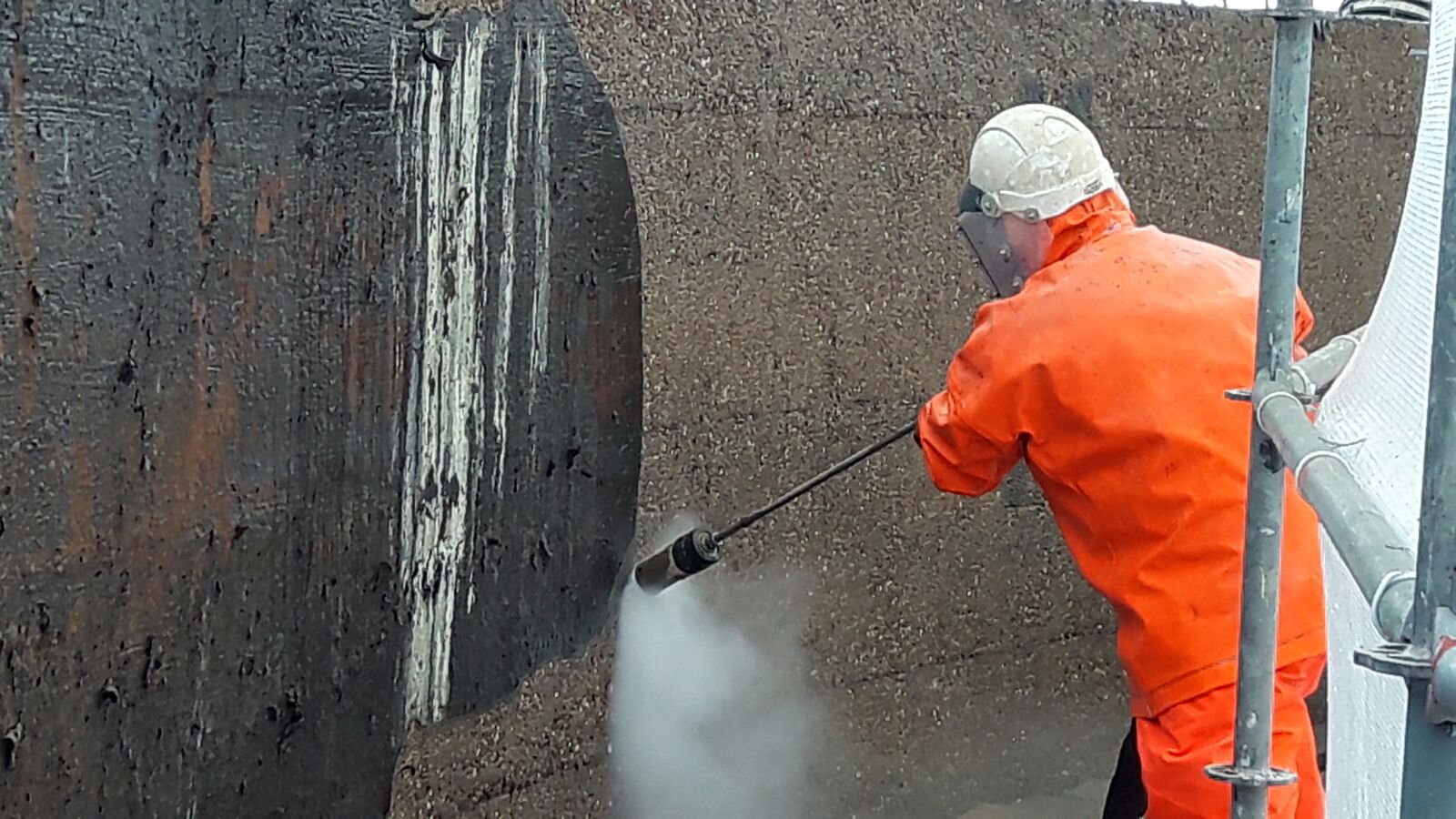
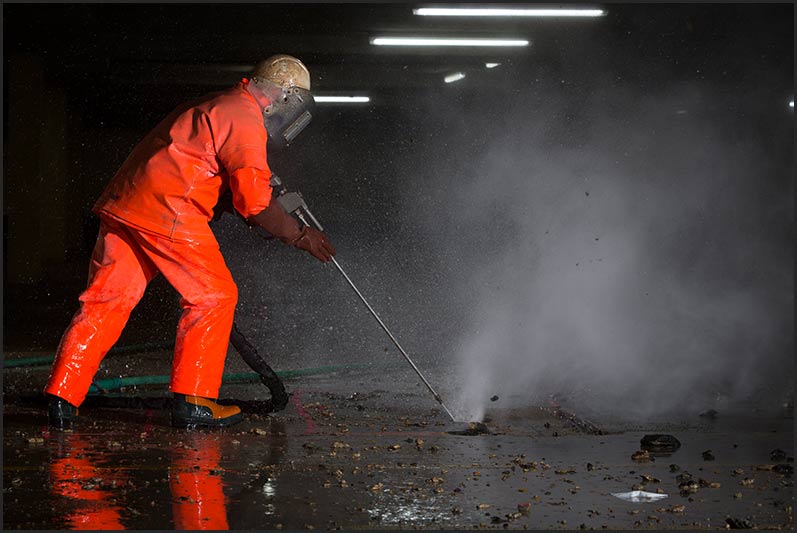
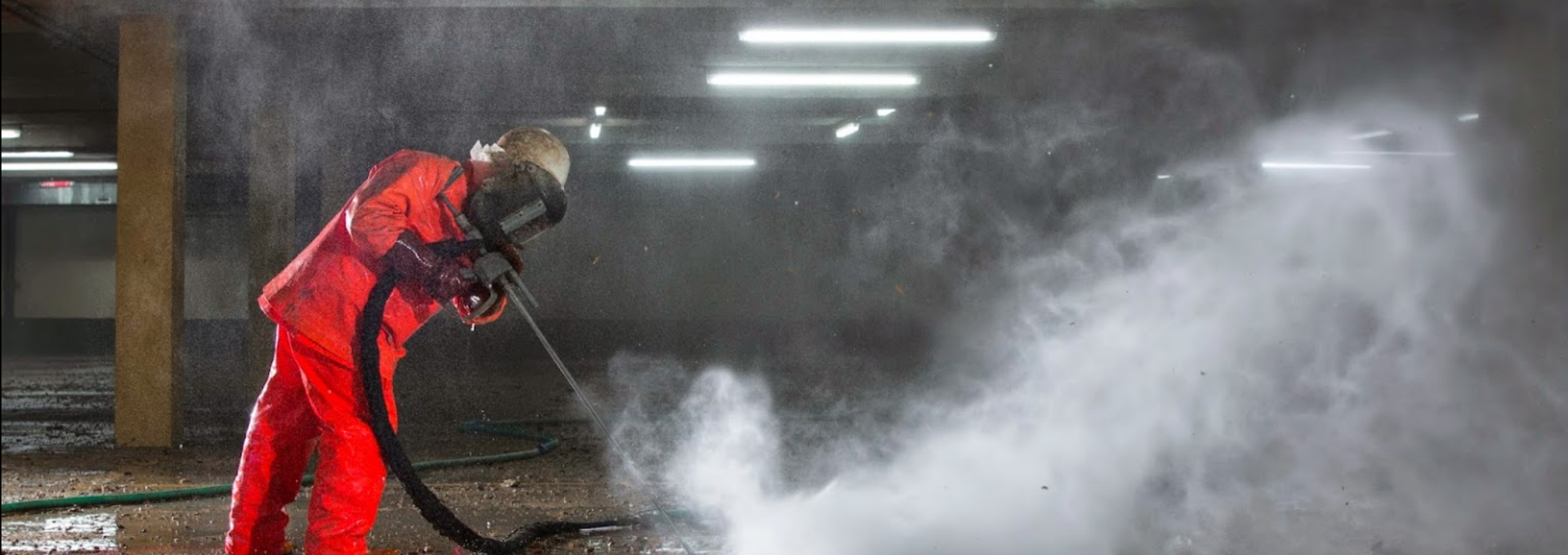
High pressure water jetting is often used in industrial pipe cleaning because it can remove stubborn deposits without damaging the pipe itself. Water is delivered at high pressure to break down and flush away build up.
In practice, this method can reach areas that are difficult to access with mechanical tools. It also allows for thorough cleaning along the full length of the pipeline.
The result is a cleaner internal surface, which helps restore flow and reduce the risk of further accumulation in the short term.
Are there any safety considerations?
Build-up inside pipelines can sometimes create safety concerns due to pressure imbalances, leaks, or unexpected blockages that affect how the system behaves.
By carrying out regular pipeline cleaning, these risks can be managed more effectively. A clear pipeline is easier to monitor and less likely to produce sudden changes in performance.
From experience, addressing these issues early tends to be simpler than dealing with the consequences of a more serious failure.
Pipeline cleaning is part of a broader approach to maintaining industrial systems. It supports consistent performance, reduces strain on equipment, and helps avoid unplanned disruptions.
Industrial pipe cleaning is most effective when it is planned rather than reactive. By building it into regular maintenance schedules, businesses can keep systems operating reliably and reduce the likelihood of costly issues over time.
FAQs
What is pipeline cleaning?
Pipeline cleaning involves removing build up and debris from inside pipes to maintain flow and system performance.
How often should industrial pipe cleaning be carried out?
The frequency depends on the type of system and materials involved, but regular checks help determine the right schedule.
What happens if pipelines are not cleaned?
Build up can lead to reduced flow, increased pressure, and potential blockages.
Is UHP water jetting safe for pipes?
When carried out correctly, it can clean effectively without damaging the pipe.
Does pipeline cleaning improve efficiency?
It can help restore normal flow conditions, which supports consistent system performance.