What is Water Jet Surface Preparation?
Feb 03 2026Water jet surface preparation is a specialised cleaning and treatment method that uses high pressure water to remove unwanted material from a surface. It is widely used across industrial sectors where precision, safety, and surface integrity are critical. Unlike traditional mechanical methods, water jetting relies on the force of water alone, making it a versatile and controlled approach to surface preparation.
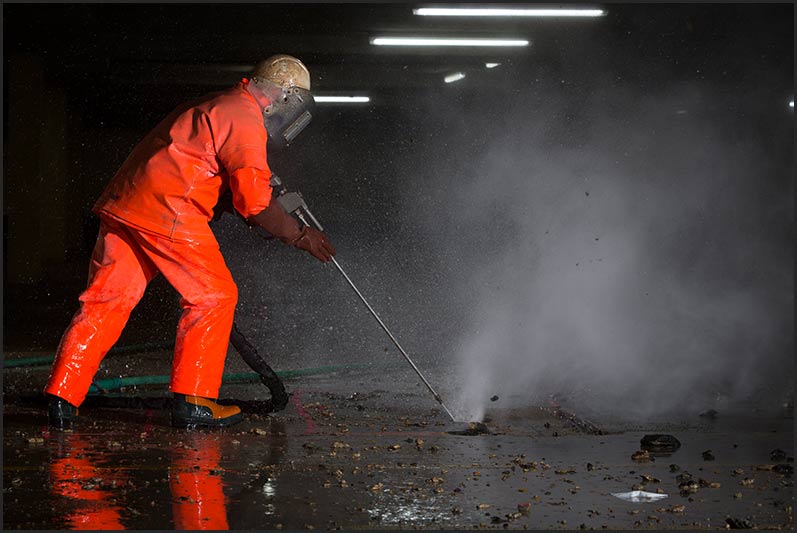
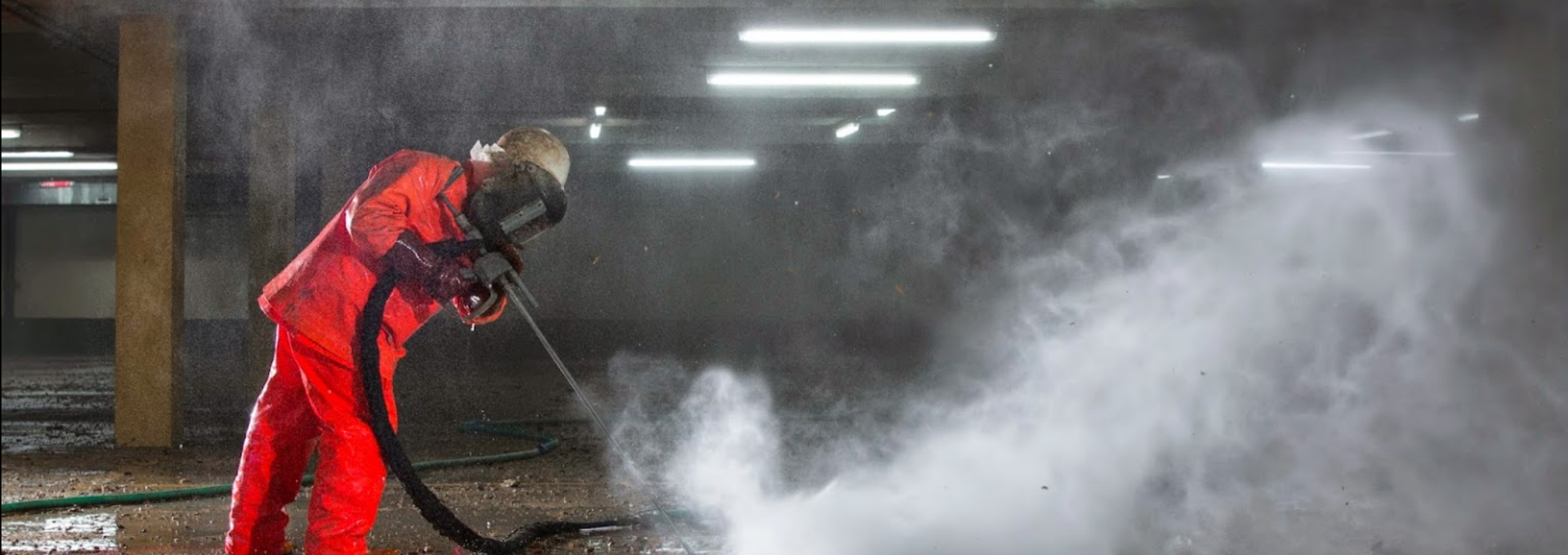
At its core, water jet surface prep involves directing water at extremely high pressure onto a surface to remove coatings, corrosion, contaminants, or damaged material. Pressures can range from several thousand to over forty thousand psi, depending on the application. This allows operators to tailor the process to suit different materials such as concrete, steel, or composites.
How does water jet surface preparation work?
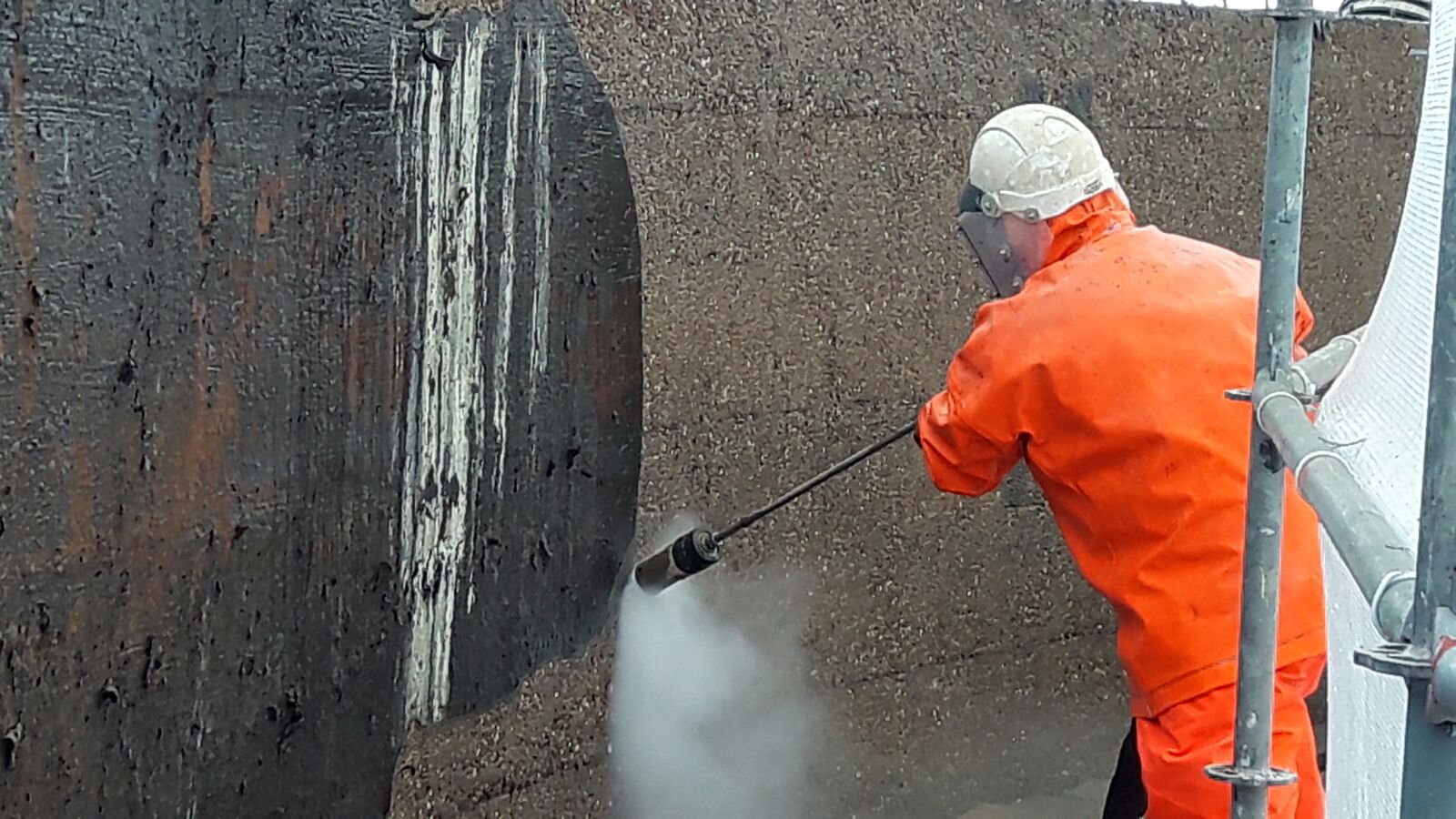
The process begins with a pump that pressurises water to the required level. This water is then delivered through specialist hoses and nozzles designed to focus and control the jet. When the water hits the surface, it breaks the bond between the substrate and any unwanted material such as paint, rust, grease, or laitance.
Because no abrasive media is used, the underlying surface is left intact. This makes water jetting particularly useful where maintaining the original profile or structural integrity is important. It is also effective in confined or sensitive environments where dust and vibration must be kept to a minimum.
What is surface preparation used for?
Water jet surface preparation is used across a wide range of industries. In construction and civil engineering, it is often used to prepare concrete surfaces before repair or overlay. The process removes weakened material while leaving sound concrete untouched, which helps new materials bond effectively.
In industrial and marine environments, water jet surface prep is commonly used to remove coatings and corrosion from steel structures, tanks, and pipelines. It is also suitable for preparing surfaces prior to recoating, ensuring that new protective systems adhere properly.
The method is also used in manufacturing and maintenance settings where equipment needs to be cleaned without introducing grit or abrasive residue that could damage components.
Is water jet surface preparation better than traditional methods?
One of the main benefits of water jetting is control. Operators can adjust pressure and flow to match the task, whether that involves gentle cleaning or aggressive removal. This flexibility reduces the risk of over preparation, which can weaken surfaces when mechanical methods are used.
Another advantage is cleanliness. Since the process uses only water, there is no secondary waste such as grit or shot to collect and dispose of. This can simplify site management and reduce environmental impact. It also makes the method suitable for sites with strict cleanliness or contamination controls.
Health and safety is another key consideration. Water jetting produces far less airborne dust than grinding or blasting, which helps improve air quality on site. Reduced vibration also lowers the risk of damage to surrounding structures and equipment.
Are there any limitations to water jet surface preparation?
While water jet surface preparation offers many benefits, it does require specialist equipment and trained operators. High pressure water systems must be handled carefully to ensure safe operation. Planning is also important, as water runoff needs to be managed properly, especially in enclosed or environmentally sensitive areas.
The method may not always be the fastest option for very large-scale removal when compared to some abrasive techniques. However, the quality of the prepared surface and the reduced risk of damage often outweigh time considerations.
Why does surface preparation quality matter?
The success of any coating, repair, or treatment depends heavily on the condition of the surface beneath it. Poor surface preparation can lead to premature failure, delamination, or corrosion returning sooner than expected. Water jetting helps create a clean, sound surface that supports long term performance.
By removing contaminants thoroughly without altering the substrate, water jet surface prep provides a reliable foundation for follow on work. This makes it a valuable tool for businesses looking to improve durability and reduce rework.
FAQs
Is water jet surface preparation suitable for all materials?
It can be used on many materials including concrete and steel, but pressure levels must be adjusted to suit the substrate.
Does water jetting damage the underlying surface?
When carried out correctly, it removes unwanted material without harming sound substrate.
Is water jet surface preparation environmentally friendly?
It uses only water and produces no abrasive waste, though runoff must be managed responsibly.
Can water jetting replace abrasive blasting?
In many applications it can, particularly where dust, contamination, or surface integrity are concerns.
Is specialist training required?
Yes, high pressure water systems require trained operators to ensure safety and effectiveness.